
30 September 2026
Fascias, Soffits And Bargeboards In Carlisle: Capping, Rot And What It Costs
Rotten fascias, soffits and bargeboards in Carlisle - why capping over rot fails, soffit vents, bats and nesting birds, and typical local prices. Free quotes.
Walk round the side of a Carlisle house on a wet November afternoon and watch where the water goes at the roof edge. Most of it runs into the gutter. Some of it doesn’t. It creeps back along the underside of the slates, drips off the felt behind the gutter and soaks straight into the top of the timber board the gutter hangs from. That board is the fascia, and that small, steady drip is how most of them die.
The boards along your roof edge are cheap joinery doing an expensive job. Fascias hold up the guttering, soffits close the gap under the overhang and let the loft breathe, and bargeboards cap the sloping edge of a gable against the weather. In a city that gets well over 800mm of rain a year, much of it blown in sideways off the Solway, that joinery wears out faster than the roof above it. This guide covers the three decisions people in Carlisle face when it goes: capping or replacing, what happens to the ventilation, and whether anything is living behind the boards before they come off.
What rots first along a Carlisle roofline
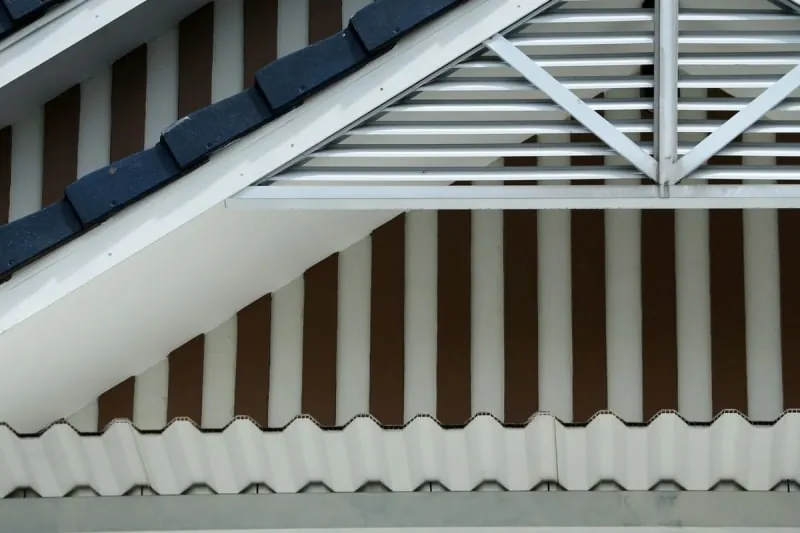
Timber fascias almost never fail from the front. The painted face you can see from the street is the part that gets maintained, and it is often the last part to go. Rot starts on the top edge and the back face, where the felt or membrane is meant to drip into the gutter and frequently doesn’t reach. On a lot of older Carlisle roofs the felt has perished at the eaves, so rainwater lands on the back of the board and stays there.
Joints are the second weak spot. Where two lengths of fascia butt together, or where a fascia meets a bargeboard at the corner of a gable, the end grain drinks water like a straw. A gutter union that has leaked for years does the same job from outside. On the terraces in Denton Holme and Currock, the rot is often at the party wall line, where two neighbours’ guttering meets and nobody quite owns the joint.
A screwdriver tells you more than a paint chart. If it sinks into the underside of the board with little resistance, the timber has gone, and the question becomes how far back. That is the conversation we have on most fascia and soffit jobs in Carlisle, because rotten boards and rotten rafter ends tend to travel together.
uPVC capping over rotten fascias: the cheap quote with a catch
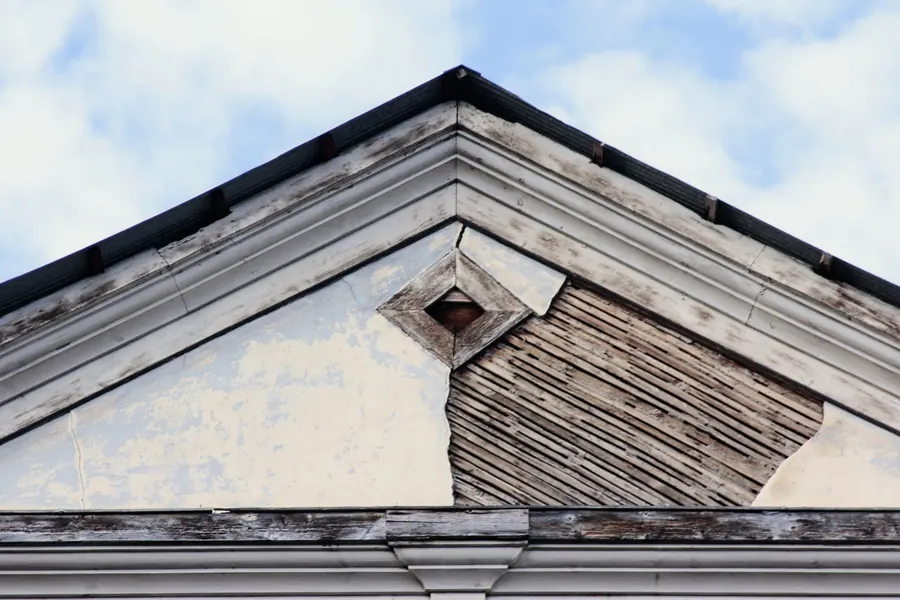
Capping, sometimes sold as overcladding or cover boards, is a thin uPVC board, usually around 9mm, fixed over the front of the existing timber. It looks identical to a full replacement from the pavement and it is quicker to fit, so it often comes in a few hundred pounds under a proper quote. There is a place for it: on a sound, dry fascia that you are simply sick of painting, capping is a reasonable choice.
Over rot, it is a false economy. Full replacement boards are thicker, typically 16mm to 18mm, because they are structural - they carry the weight of a gutter full of water and they are fixed back into sound rafter feet. A capping board carries nothing on its own. It relies on the timber behind it for every fixing, so if that timber is soft, the new gutter brackets are screwed into sponge through a sheet of plastic.
Worse, the plastic seals the wet timber in. A painted board at least dried out between showers. A capped one sits in the dark with no airflow and keeps rotting at the same pace, only now nobody can see it. The first sign is usually a gutter that starts to sag or tip a few winters later, and by then the rot has often reached the ends of the rafters. The capped fascias we strip off around Carlisle rarely have a sound board behind them, which is exactly why the job was capped in the first place.
Ask any installer one plain question: is the old timber coming off? If they won’t lift a length of gutter to show you what is behind it, get another quote.
Bargeboards on gables that face the westerly weather
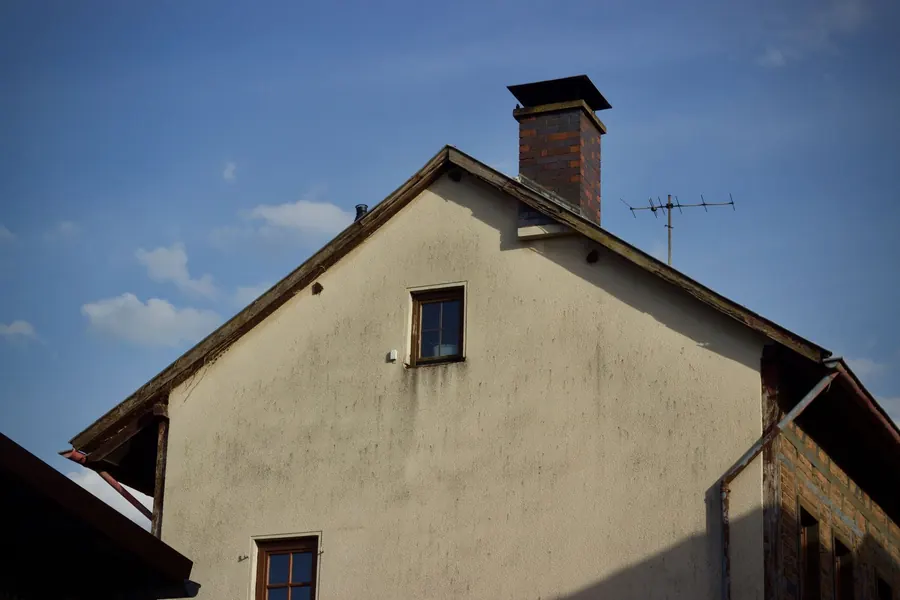
Bargeboards get a harder time than fascias because nothing shelters them. A fascia sits under the overhang with a gutter in front of it. A bargeboard runs up the raking edge of a gable, often with nothing above it but a single course of slate, and on a gable facing west or south-west it takes the full force of weather coming in across the Solway.
Carlisle has plenty of exposed gables. End-of-terrace houses, the Edwardian villas in Stanwix with their steep front gables, and inter-war semis with a hipped front and a plain gable to the side all put bargeboards in the firing line. The typical failure is at the bottom, where the board meets the fascia and water runs down the slope to collect in the joint. Paint cracks along the grain first, then the lower metre goes soft, and eventually the verge above starts to lift because the board it was bedded against has shrunk away.
Driving rain is also why a sound-looking bargeboard can hide trouble behind it. Water blown under the verge soaks the back of the board and the top of the gable wall together, which is the same mechanism covered in our post on wind-driven rain and wall leaks in Carlisle. When a bargeboard is replaced it is worth having the verge checked at the same time, because the scaffold is the expensive part and it is already up.
Soffits, vents and a loft that can breathe
The soffit looks like a trim panel, but on most pitched roofs it is also the air intake for the loft. Air comes in along the eaves, travels up over the insulation and leaves at the ridge or through tile vents. Take that airflow away and warm, damp air from the house condenses on the cold underside of the roof all winter.
This matters more than it used to. Many Carlisle lofts now have 270mm of insulation laid right into the eaves, which can choke the airflow even with vented soffits, and older timber soffits were often left with gaps that ventilated the roof by accident. Replace those with solid uPVC and seal everything tight, and a loft that was fine for fifty years can start dripping by February.
The long-standing guide is ventilation equal to a continuous 10mm gap along each eaves on a normal pitched roof, with rafter trays or eaves ventilators keeping the insulation from blocking it. In practice that means vented soffit boards or a continuous over-fascia vent, plus trays in each rafter bay. If condensation is already showing, our guide to telling loft condensation from a roof leak is the place to start before anyone quotes for new boards.
Bats and nesting birds behind the boards: what the law says
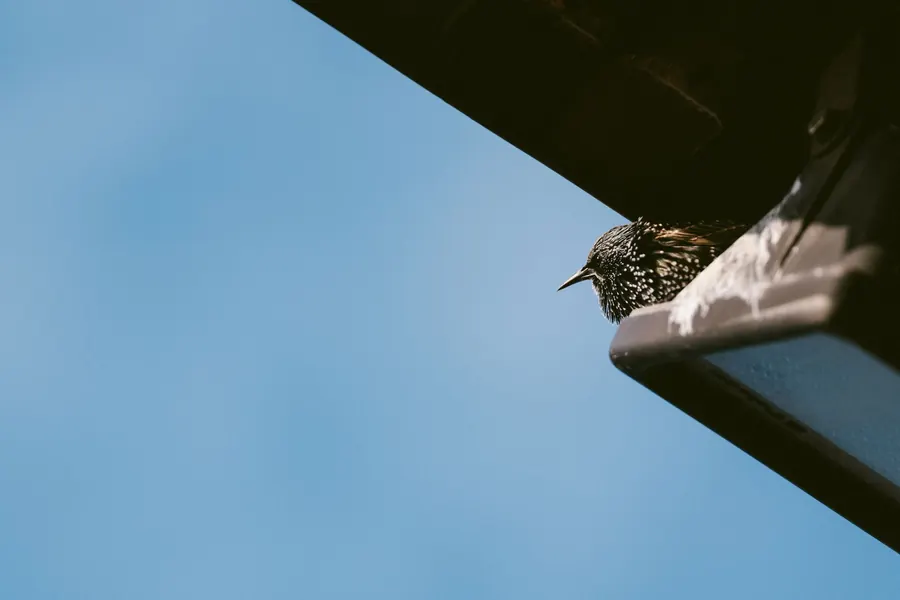
The gap behind a loose fascia or a broken soffit is prime nesting space. Starlings and house sparrows move into it every spring around Carlisle, and swifts and house martins use eaves as well. Bats, mostly the small pipistrelles, tuck into the narrow void behind fascias and bargeboards and can go unnoticed for years.
Both are protected by law, and it catches people out. Government guidance on protecting wild birds makes it an offence to intentionally take, damage or destroy a nest while it is in use or being built. In practice, if birds are nesting behind your fascia in spring, the boards stay put until the young have fledged, which usually means planning roofline work for autumn and winter. Birds rarely nest then, and it is also when the rot shows up.
Bats get even firmer protection. Natural England’s guidance on bat protection and licences covers every species and its roosts, including damaging a roost or blocking the way in, whether or not the bats are at home that day. Penalties run to an unlimited fine and up to six months in prison. If you have seen bats leaving at dusk, or droppings stuck to the wall under a soffit, ring the National Bat Helpline run by the Bat Conservation Trust before anyone quotes. The advice is free and the work usually still happens, timed and detailed around the roost.
What fascia, soffit and bargeboard work costs in Carlisle
These are typical figures for Carlisle homes, including VAT, and they assume the timber behind is sound enough to fix to. Height, access and how much hidden rot turns up are what move a quote most.
- One rotten length of fascia or soffit cut out and replaced: £200 to £450.
- Fascias, soffits and guttering renewed across a semi or mid-terrace: £1,200 to £2,500.
- The same on a detached house: £2,000 to £4,000.
- New bargeboards on one gable: roughly £350 to £800, more if a three-storey gable needs full scaffold.
- Capping instead of replacing: often a few hundred pounds cheaper on the same house, a saving that only holds up if the timber behind is sound.
- Soffit vents or an over-fascia vent added with rafter trays: usually £150 to £400 on top.
Two extras catch people out. Scaffold on a tall gable end can add several hundred pounds by itself, which is why bundling bargeboards, verge and fascia work into one visit is almost always cheaper. And if rafter ends turn up rotten once the boards are off, that becomes carpentry rather than joinery, and the price should be agreed before it starts. A good quote names a day rate or a per-rafter price for that possibility rather than leaving it open.
Timber or uPVC on older Carlisle houses
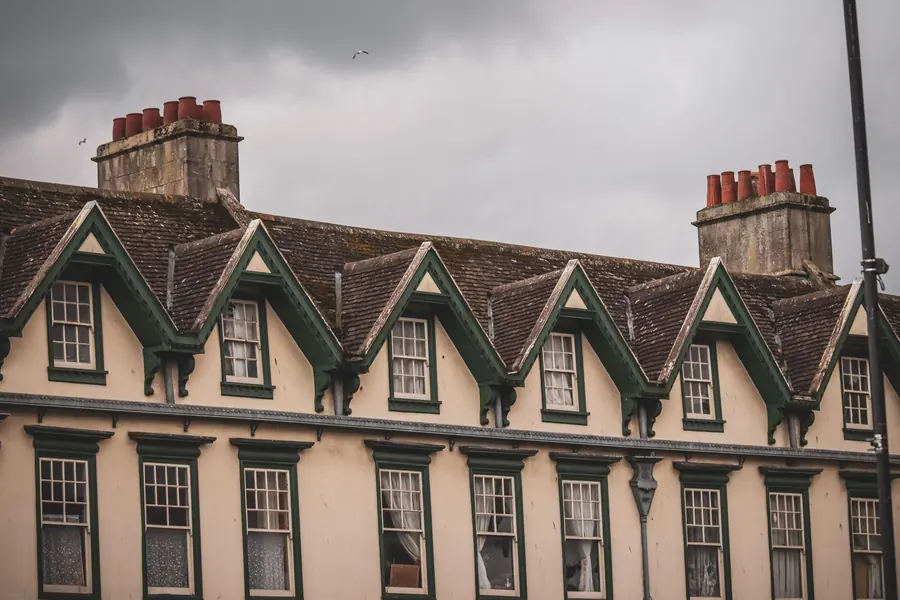
For most homes in Carlisle, white or black uPVC full replacement boards are the sensible answer. They don’t need painting and they don’t rot. With the right vents they do the ventilation job better than the timber they replace.
Older houses are different. Carlisle has several conservation areas, Stanwix among them, and a lot of Victorian and Edwardian houses carry decorative timber bargeboards, brackets and fretwork that are part of what gives a street its character. Swapping those for flat plastic is legal on most unlisted houses, but it can look wrong, and on a listed building it can need consent. Cumberland Council is the planning authority for Carlisle, and a two-minute call before ordering is cheaper than undoing a job.
Where timber is the right answer, the difference between boards that last ten years and boards that last thirty comes down to preparation. That means pre-treated or durable timber, end grain primed and sealed before fitting, a drip detail at the joints, and paint kept up every five years or so. A decent roofer will price both options and tell you straight which one suits the house.
Frequently Asked Questions
How long should new uPVC fascias and soffits last in Carlisle?
Properly fitted full replacement boards generally give 25 years or more, and the Carlisle weather does not shorten that much because the plastic itself does not absorb water. What does shorten it is poor fixing. Boards screwed into rafter ends that were already soft, or capping nailed over wet timber, can start to bow or pull away within a few winters. The life of the job depends on what is behind the board far more than the board itself.
Can I tell from the ground whether my fascias have been capped?
Sometimes. Capping boards are thin, so the bottom edge often shows the old timber poking out beneath the plastic, or a visible lip where the two meet. Gutter brackets that sit slightly proud, or a board that looks wavy along its length, are other clues. The only certain check is lifting a length of gutter and looking at the end grain, which any roofer quoting for the job should be willing to do.
What should I do if I think bats are behind my bargeboards?
Stop any planned work on that section and ask for advice before anything is removed. The National Bat Helpline, run by the Bat Conservation Trust, gives free advice to householders and can arrange a visit from a Natural England volunteer bat roost visitor. Bat roosts are protected whether or not the bats are there at the time, so the job usually goes ahead later, planned around them rather than cancelled.
Do I need permission to change timber bargeboards to uPVC in Carlisle?
On an ordinary house outside a conservation area, a like for like replacement normally needs no application. On a listed building, changing the material can need listed building consent, and in a conservation area the council may take a view on original timber details disappearing from a street. Cumberland Council is the planning authority for Carlisle, and checking with them before ordering materials costs nothing.
Free Roof Survey & Quote
Free roof survey and a fixed written quote, anywhere across Carlisle and Cumbria.