
22 August 2026
Condensation Or A Leak? How To Tell Why A Carlisle Loft Is Wet In Winter
Wet timbers and drips in the loft are more often condensation than a hole in the roof. A step-by-step way to tell which one you have before you pay anyone.
Somebody goes into the loft in January to fetch something, shines a torch at the underside of the roof, and finds it glistening. Sometimes there is a drip. Sometimes the nail points are furred with frost and the cardboard boxes have gone soft at the corners.
The instinct is to assume the roof has failed. Most of the time it has not. Across England, the English Housing Survey found 1.4 million homes with a damp problem in 2024, and the single most common form was severe condensation at 3% of all dwellings, ahead of penetrating damp at 2% and rising damp at 1%. Around 30% of households said they had a problem with condensation, damp or mould somewhere in the house.
Carlisle produces more than its share of this, for reasons that have nothing to do with the state of the slates. Here is how to work out which problem you actually have.
Damp in a loft is not the same thing as a leak
The two look similar in torchlight and behave completely differently. A leak is water arriving from outside through a specific defect. Condensation is water that was already inside your house, carried up as vapour in warm air, meeting a cold surface and turning back into liquid.
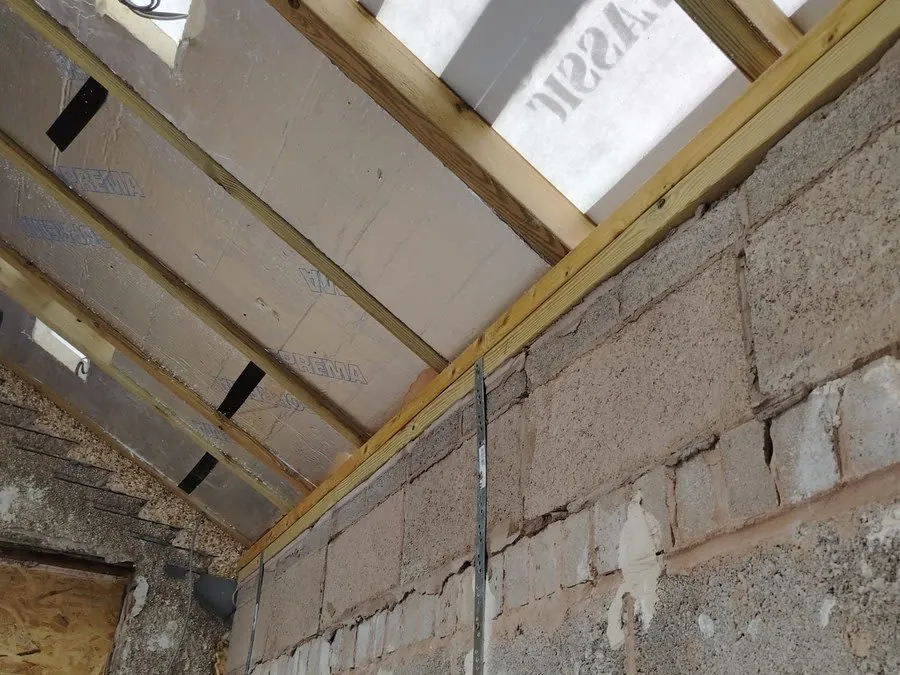
A typical household puts several litres of water into the air every day through cooking, washing, drying clothes indoors and simply breathing. In a well-sealed house that vapour has fewer routes out than it used to, so it finds the gaps: the loft hatch, the holes where cables and pipes pass through the ceiling, the extractor fan that vents into the loft rather than through the roof. Then it hits a slate or a felt underlay sitting at four degrees and gives up its moisture there.
The distinction matters because the fixes have nothing in common. No amount of roof work will stop condensation, and no amount of ventilation will stop a leak. Getting this wrong is the single most expensive mistake homeowners make with a damp loft.
The five-minute test that tells you which one you have
Go up with a torch when the weather has been doing something definite, and work through these.
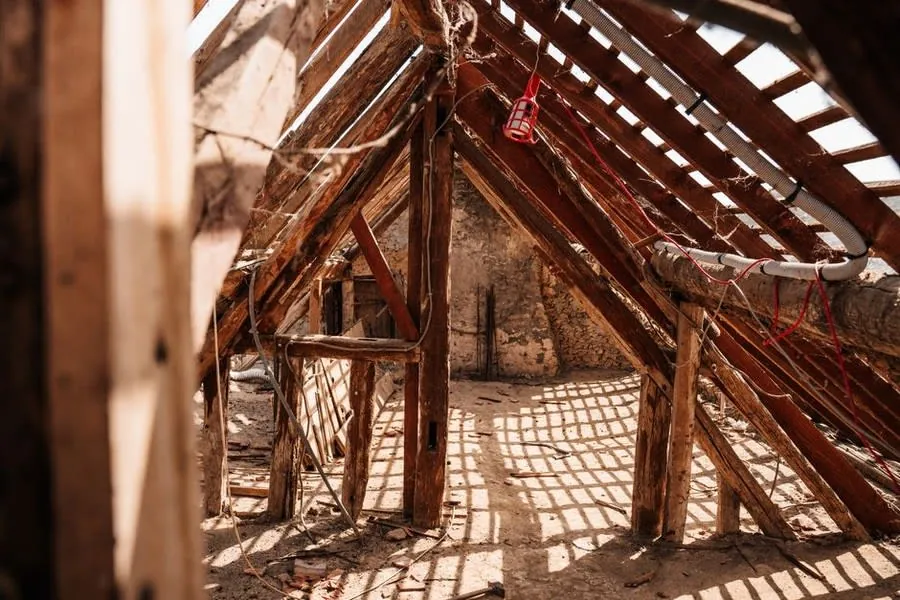
Start with how the wet is distributed. Condensation coats everything fairly evenly, and the giveaway is the nail tips, the coldest points in the roof, which go wet or frosty before anything else does. A leak picks one place and stays there.
Then time it. Have a look after a wet, windy day and again after a cold still night. Water that appears during the rain is coming in from outside. Water that appears on a cold morning following a mild damp evening is condensing out of your own air.
Look for a history, too. Leaks leave one: brown tide marks on timber, a rusted line down a nail, a dark patch on the sarking with a dry edge to it. Condensation leaves black speckled mould on the rafters and no tide marks at all. Direction helps as well, because water from outside runs down a rafter or along a batten and drips from the low point, while condensation forms on the underside of the covering and falls straight down.
Last, look at the floor. Insulation damp on top across the whole loft is condensation. One soaked patch, with dry quilt around it, is a leak somewhere uphill.
Mixed answers are common, and they often mean you have both.
Our post on why a roof leak keeps coming back covers why intermittent water is so hard to chase.
Why Carlisle lofts stay wetter than colder places
Somewhere very cold and very dry, like the Cairngorms in February, does not have much of a loft condensation problem. The air holds almost no moisture. Carlisle has the opposite arrangement: mild, humid, rarely freezing hard for long, and grey for weeks at a stretch.

That combination is the worst case for a cold loft. The outside air is already close to saturated, so it does very little drying when it does get in. Meanwhile the roof surface is cold enough overnight to condense whatever vapour reaches it. Then the sun does not come out for four days, so nothing gets a chance to dry before the next round.
There is a local building quirk on top of the weather. A lot of Carlisle housing sits at either end of the age range - pre-1919 terraces through Denton Holme, Currock and Botcherby, and interwar and postwar semis out through Harraby, Morton and Belah. The older roofs often have no felt at all or a brittle bitumen felt from a 1970s re-roof, which cannot pass vapour. The newer ones tend to have eaves that were never detailed with a proper airway. Neither type was designed around modern loft insulation depths, which is where the trouble usually starts.
The insulation upgrade that started the problem
Ask a roofer when a loft first got damp and a surprising number of homeowners say it began within a year or two of having the insulation topped up. That is not a coincidence, and it is not an argument against insulating.
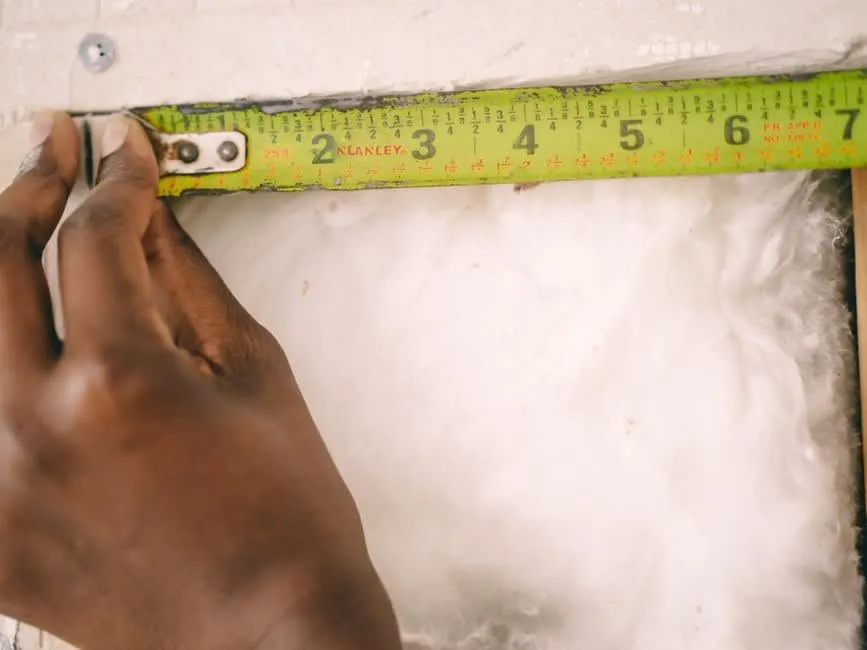
Two things change when insulation goes from 100mm to 300mm. The loft gets colder, because less heat leaks up into it, so surfaces spend more of the winter below dew point. And in most retrofits the quilt gets pushed right into the eaves, where the roof meets the wall head, which is precisely where the incoming air was supposed to enter. You have made the space colder and stopped it breathing on the same afternoon.
The government’s own best practice guidance on retrofit roof insulation is blunt about ventilation being part of the job rather than an optional extra. In practice, on a Carlisle semi, that means eaves trays holding the quilt back off the airway, and vents that actually connect the loft to outside air. If your insulation was installed under a grant scheme and the loft has been damp since, that is the first thing to look at.
What the regulations actually ask for
The rules for a cold roof - the standard arrangement, insulation at ceiling level, cold ventilated space above - are set out in Approved Document F of the Building Regulations, which deals with ventilation.
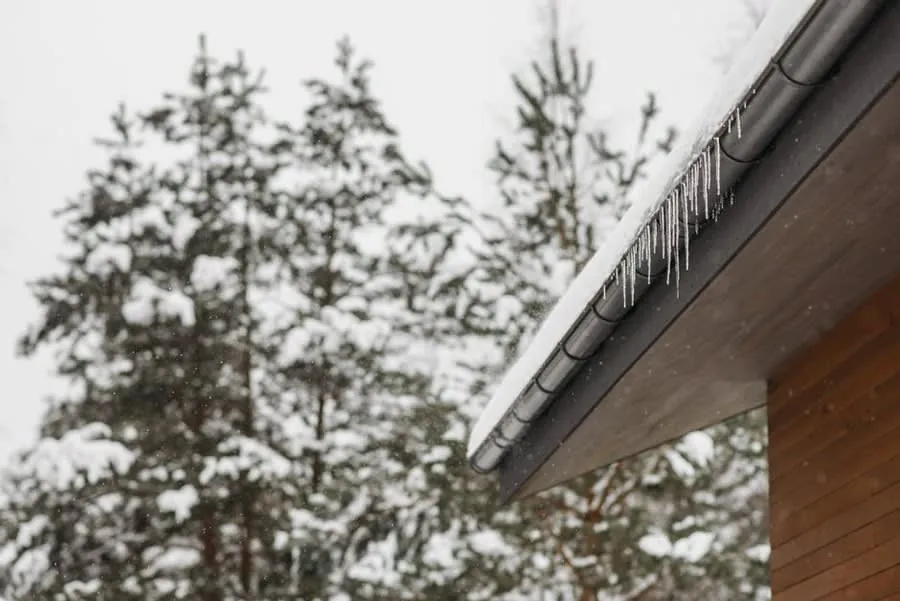
Two numbers do most of the work. There should be a continuous ventilation gap equivalent to a 25mm slot at the eaves, on two opposite sides so air can cross the space rather than sitting still. And there should be a clear air path of at least 50mm above the insulation, right the way to the eaves, which is exactly the gap that gets squashed when the quilt is stuffed into the corner.
Crossflow is the part people miss. One vented side is not much use, because air needs somewhere to leave as well as somewhere to enter. On a terrace where two elevations are shared with neighbours, that often means adding vents into the slope itself or at the ridge instead. Where the eaves are the route, the fascia and soffit line is the thing that has to be right, and our fascias and soffits page explains how the vented versions work.
What it costs to fix
Ventilation work is cheap compared with almost anything else a roof can need. That is the argument for dealing with it as soon as you spot the problem rather than after two more winters.
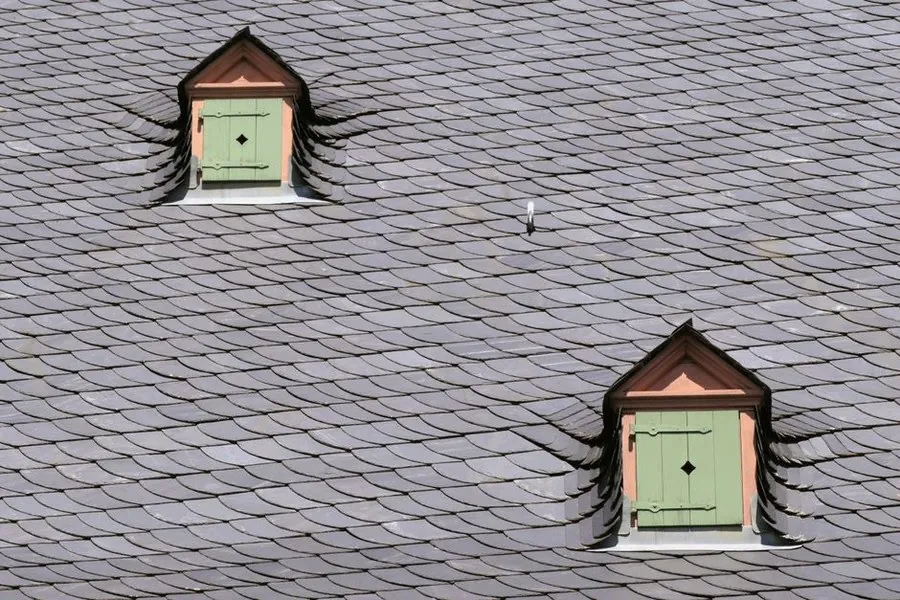
Over-fascia or soffit vents along the eaves of a standard semi generally come in at £300 to £700, driven mostly by the run length and whether the fascia has to come off. Slate or tile vents fitted into a slope run about £90 to £180 each, and a typical loft needs two to four. Eaves trays to hold the insulation clear of the airway are inexpensive and often get done at the same time.
Then there are the free ones, and they often do half the job. Seal around the loft hatch and fit a draught strip. Duct any bathroom or kitchen extractor through the roof or wall rather than letting it dump into the loft, which is a surprisingly common fault. Fill the gaps where soil pipes and cables come through the ceiling. Stop drying washing on radiators in unventilated rooms. Cutting the vapour going up is as effective as improving the air coming in.
When it really is a leak
Sometimes the answer is that water is getting in, and the tests above will tell you fairly quickly. Concentrated wet, tide marks, timing that follows rainfall, and a trail you can follow uphill all point one way.
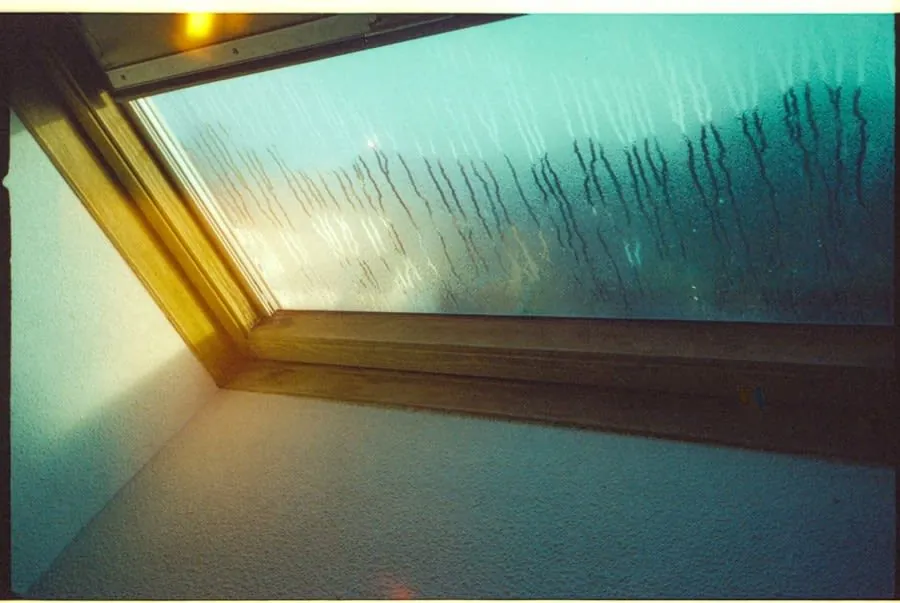
Follow the water up rather than starting where the drip is. Water can run several metres along a rafter or a felt lap before it falls, so the entry point is almost always higher and often to one side. In Carlisle the usual suspects are chimney flashings on the older stock, valleys packed with moss and shed debris, and cracked bedding at the ridge after a hard winter.
Mark the wet spot with chalk and a date, then check again after the next heavy rain. If it has grown, you have an active leak and it needs a roofer on the roof. If it is dry and a fresh bloom has appeared somewhere else entirely, you are back to condensation. Either way, know which one you are dealing with before anyone starts quoting. The difference between a set of vents and a re-roof is several thousand pounds.
Frequently Asked Questions
How do I know if loft damp is condensation or a roof leak?
Look at where it is. Condensation shows up evenly, across the whole underside of the roof and on the nails poking through, and it is worst on cold mornings after a mild wet night. A leak is local. It follows one line down a rafter or sits in one patch near a chimney, a valley or a vent, and it gets worse during rain rather than overnight in still weather.
Why does my Carlisle loft get damp when the roof is sound?
Because warm moist air from the house is getting into a cold loft and cannot get back out. Carlisle winters are mild and damp rather than hard and dry, so lofts here sit close to dew point for weeks at a time with little chance to dry. Once the ventilation path at the eaves is blocked, usually by insulation pushed hard into the corner, the moisture has nowhere to go.
Can loft condensation rot the roof timbers?
It can, though it takes time. Persistent surface damp encourages mould on rafters and sarking first - the black speckling people notice. Sustained moisture content above roughly 20% is where wet rot becomes a genuine risk, and the fixings and batten ends usually suffer before the rafters themselves do.
What does it cost to fix loft ventilation?
Fitting eaves vent trays and over-fascia or soffit vents on a standard Carlisle semi typically runs £300 to £700 depending on access and the length of the run. Adding tile or slate vents to a slope is usually £90 to £180 per vent fitted. Both are far cheaper than replacing rafters, which is the reason to deal with it early.
Free Roof Survey & Quote
Free roof survey and a fixed written quote, anywhere across Carlisle and Cumbria.