
22 August 2026
Slipped Slates On A Carlisle Roof: Why They Go And What It Costs To Fix
One slate in the yard is rarely a one-off. Why Carlisle's Victorian slate roofs start letting go, what a proper repair costs, and when patching stops being worth it.
The slate is usually the second thing you notice. First there is a sound in the night that does not fit anything else, then a couple of days later you find the pieces by the back gate or under the hedge, and the gap on the roof once you know where to look.
Carlisle has a lot of roofs at exactly this stage. The city’s Victorian and Edwardian terraces were slated when the railways made Welsh slate cheap to get here, which puts a great many of them somewhere between 100 and 140 years old. The slate itself will happily do 120 years. The iron nails holding it up will not. Meanwhile Storm Arwen in November 2021 reminded everyone in the north of England what a genuinely bad wind event does to an ageing roof, cutting power to more than a million homes and stripping coverings across Cumbria.
Here is what a slipped slate means, what it costs to sort out, and the point at which patching stops making financial sense.
What a slate on the path is actually telling you
A slate does not fall because it got tired. It falls because whatever was holding it stopped holding it, and there are only three candidates: the nails have corroded through, the batten behind it has rotted or split, or the slate itself has delaminated and broken around the nail holes.
Which of the three it is matters more than the gap does. A broken slate on an otherwise sound roof is a twenty-minute job. Corroded nails mean the whole slope is on a countdown, and the slate that landed in your yard was simply the first one to get there. You cannot tell them apart from the ground. A decent roofer will want to get up and look at the underside of a few courses before quoting anything.
The other thing worth knowing is what is now doing the waterproofing. Under the gap there is either a bitumen felt underlay, a modern breathable membrane, or on the oldest Carlisle roofs, nothing at all beyond mortar torching between the rafters. Felt from the 1960s and 70s goes brittle and tears along the batten line, so the gap above it is not academic. If you want the detail on how that water finds its way in, our roof leak repairs page walks through the usual routes.
Nail sickness: why Carlisle’s slate roofs let go together
Nail sickness is a plain description of a plain problem. The original fixings were iron or mild steel, and a century of damp air has eaten them. What makes it awkward is the timing: the nails across one slope were all made from the same stuff, driven on the same day, and exposed to the same weather ever since. They fail together.
In practice that means the first slipped slate is a warning shot. The second arrives a few months later, the third the following winter, and by the time you have paid for four separate call-outs you have spent more than a single organised repair would have cost.
There is a rough test for it. If a roofer lifts a slate and the nail comes away as orange dust, or the slate can be slid free by hand with no resistance, the fixings are gone across that area. If the nails are still bright and the slate has broken cleanly around the hole, you have a damaged slate rather than a dying roof.
Carlisle’s damp adds a wrinkle here that drier parts of England do not have to think about. Nails corrode fastest when they spend long periods wet rather than when they get very wet occasionally, and the local pattern of frequent moderate rain keeps a slope damp for longer than a heavy downpour followed by sun ever does. Roofs here tend to reach nail sickness at the earlier end of the range.
Storm Arwen and the slopes that never usually get hit
Most roofs in this part of Cumbria have spent their whole lives being battered from the west and southwest, and they have quietly adjusted to it. The exposed slopes lost their weakest slates decades ago. The sheltered ones were never really tested.
Arwen came from the north. That is why it did the damage it did. The Met Office recorded gusts of 98mph at Brizlee Wood in Northumberland, and the northerly direction meant wind was pushing up under the tails of slates on elevations that had never taken a serious hit. Plenty of Carlisle homeowners lost slates that night off the back of the house, not the front.
The lesson has outlasted the storm. When you or a roofer inspects after a windy spell, check every elevation rather than the one you assume is exposed, and pay particular attention to the verges and the ridge. Perimeter units carry more uplift than anything in the middle of a slope. That is exactly why the fixing standards changed.
What putting it right actually costs in Carlisle
Small roof repairs are priced by access far more than by materials. A slate costs a few pounds. Getting a person safely to the slate is where the money goes, and HSE guidance on roof work is unambiguous that falls from height remain one of the biggest killers in construction, so the corners that could be cut should not be.
Typical Carlisle figures look like this. Replacing a few slipped slates within safe ladder reach comes in around £150 to £280. Add a tower or a scaffold and you are looking at £450 to £900 more for the hire period. That is why the same repair on a two-storey Denton Holme terrace and on a three-storey villa off Stanwix Bank are not remotely the same price. Re-bedding or re-fixing a ridge line runs £400 to £1,200, with sandstone properties at the upper end because lime mortar and slower working are the right call there. Re-slating a single slope where the nails have gone sits between £1,200 and £3,000. Our roof repair cost page sets out the wider list job by job.
One thing worth doing: if you already know other work is due - gutters, a chimney check, fascias - get it all onto the same scaffold. Splitting three small jobs across three visits means paying for access three times.
Patch, re-fix, or strip and re-slate?
The honest answer depends on how many original nails are left, and there is a reasonable rule of thumb. If a roofer lifts slates in three or four places across a slope and finds sound fixings each time, patch it and forget about it. If two of those four are crumbling, you are funding a series of repairs that will eventually total more than the re-slate.
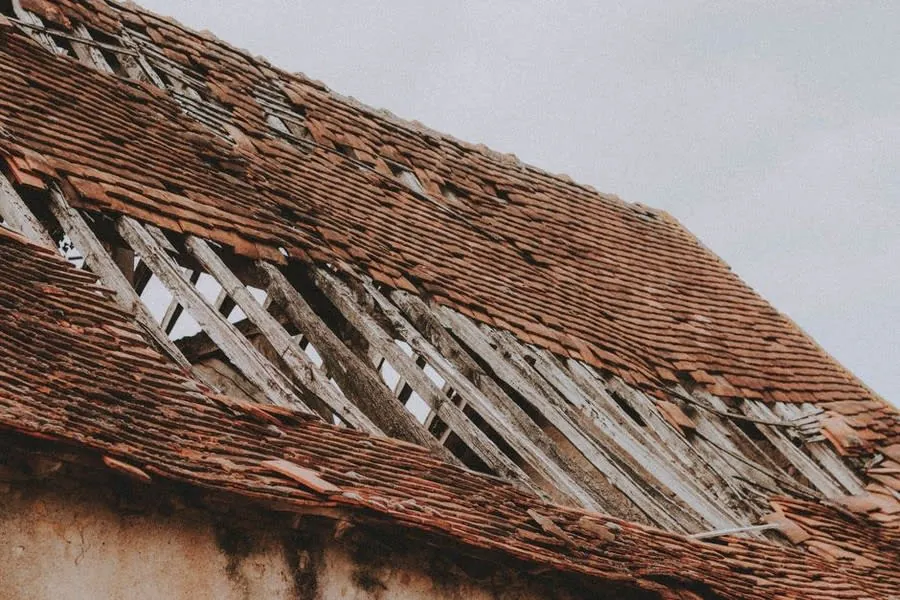
There is a middle option people rarely get offered and often should. Slates from a Victorian roof are frequently reusable even when the nails are not, so a slope can be stripped, the good slates sorted and set aside, new battens and membrane fitted, and the original covering put back with stainless fixings. On a house where the weathered slate is part of the look, that is a better outcome than new slate, and it costs less than buying a full roof’s worth of Welsh or Lakeland slate at today’s prices.
Deciding between fixing and replacing is a bigger question than one slope, and we went through the whole decision in detail in our guide to repairing or replacing a Carlisle roof.
Getting the fixings right the second time
If the roof is being opened up, the fixings that go back in matter more than the slates do. Copper or aluminium nails do not rust the way the originals did, and stainless steel is standard on exposed work. Any roofer who tells you galvanised is fine on a Carlisle roof is pricing for today rather than for the next fifty years.
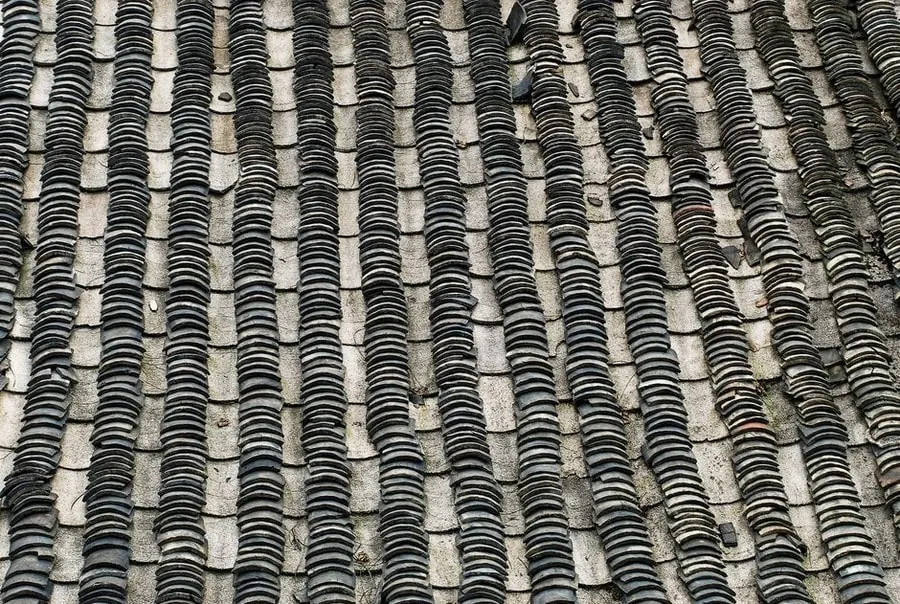
The perimeter is where standards have tightened most. Under BS 5534, the current code of practice for slating and tiling, ridge and hip units are mechanically fixed rather than relying on mortar to hold them, and the fixing specification for a roof is meant to be worked out from the wind loading at that site rather than picked by habit. The National Federation of Roofing Contractors’ standards guidance is the place to check what a compliant job involves. A quote that mentions mechanical fixing at the ridge and verge is a quote written by someone who has read it.
Ask about tingles too. Where a single slate goes back into a finished slope it is held by a metal clip rather than a nail, and the material and the fold at the tail decide whether it lasts. Copper or stainless, folded properly, is the answer.
Keeping the rest of the roof where it is
Most of what shortens a slate roof’s life in Carlisle is water sitting where it should not. Gutters full of moss overflow back onto the slates and the wall head. Blocked valleys hold water against the fixings. A cracked ridge lets damp into the bedding, which then freezes and pushes the mortar apart.
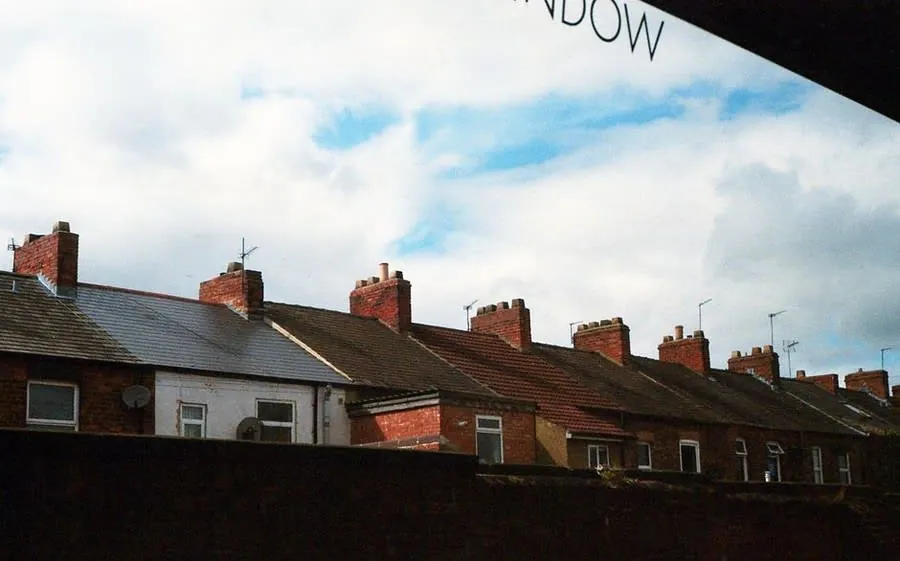
An annual clear-out in late autumn, before the leaves are all down and the weather closes in, deals with most of it. Once a year, walk round the house with a pair of binoculars and look along each slope from the side rather than straight on, which is how you spot a slate that has dropped half an inch but not yet gone. Note anything that has moved since last time.
And when a slate does come down, get it looked at while it is one slate. That is the whole point. A £180 job in October is the same job that becomes a £900 one by March, with a stained ceiling attached.
Frequently Asked Questions
Is one slipped slate on a Carlisle roof an emergency?
Not usually, but it is time-limited. The underlay beneath the gap is the only thing keeping water out, and on a roof old enough to shed slates that underlay is often brittle bitumen felt with no life left in it. Most homeowners have weeks rather than days, though a gap on a west-facing slope during a wet spell can start staining a ceiling much sooner than that.
What does it cost to replace slipped slates in Carlisle?
Replacing a handful of slates on a slope a roofer can safely reach from a ladder usually runs £150 to £280. The number changes far more with access than with the slates themselves - a job needing a tower or a scaffold typically adds £450 to £900 for the hire period, which is why a small repair on a three-storey Stanwix villa can cost triple the same repair on a bungalow.
Why do several slates slip at once on an old roof?
Because it is the nails failing rather than the slates. Victorian and Edwardian roofs were fixed with iron nails that corrode over 60 to 100 years, and they rust at roughly the same rate across the whole slope. When one lets go, its neighbours are usually within a year or two of doing the same. That pattern is what roofers mean by nail sickness.
Can slipped slates be re-fixed rather than replaced?
A sound slate that has simply slid out can go back, but it cannot be re-nailed in place without lifting the courses above it. Roofers use a copper or stainless tingle - a thin strip clipped over the batten and folded over the tail of the slate. Done properly it holds for years. Done with lead offcuts and no fold, it drops the slate again in the first gale.
Free Roof Survey & Quote
Free roof survey and a fixed written quote, anywhere across Carlisle and Cumbria.