
6 August 2026
Repair Or Replace? Is Your Carlisle Roof Worth Saving?
Age is the wrong question. Here is how to work out whether your Carlisle roof needs one repair or a full replacement, and how to spot the difference yourself.
Almost every call we take starts with the same question, phrased slightly differently. The roof is fifty years old, does it need doing? A slate came off, is that the beginning of the end? A roofer told me I need the whole thing replaced, is he right?
The honest answer is that the age of your roof tells you very little. We have surveyed Victorian slate roofs in Stanwix that will outlive everyone reading this, and we have condemned concrete tile roofs from the 1980s. What actually decides it is a pattern, and once you know what the pattern looks like, you can do most of the assessment yourself from your own garden.
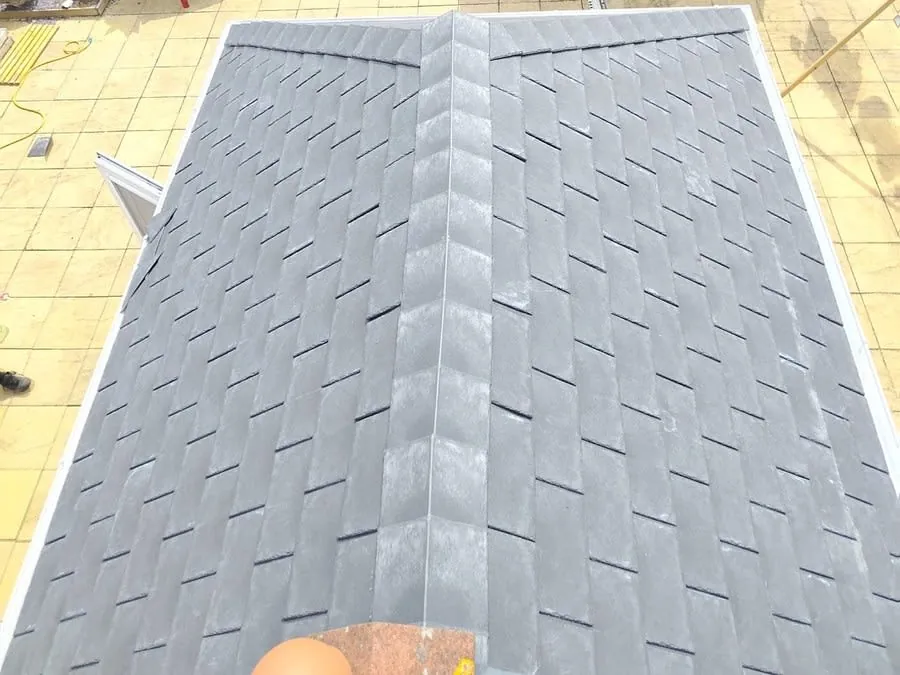
Age is the wrong question
A roof covering has a design life, and those numbers get quoted a lot. Welsh slate: eighty to a hundred years plus. Lakeland green slate: similar, often more. Clay tile: sixty to eighty. Concrete interlocking tile: thirty to fifty. Modern torch-on felt on a flat roof: fifteen to twenty.
Those figures are useful for planning and almost useless for diagnosis, because they describe the covering and the covering is rarely what fails first. What fails first is everything holding the covering on, and everything joining it to something else: the nails, the mortar, the lead, the battens, the timber underneath.
This is why a hundred-year-old slate roof can be in better condition than a forty-year-old tiled one. The slate itself is a piece of rock. It does not really wear out. What wears out is the ironmongery.
Nail fatigue, and how to spot it
If there is one concept worth taking away from this article, it is nail fatigue - roofers also call it nail sickness. It is the single most reliable signal that a slate roof has reached the end.
Here is the mechanism. When your roof was laid, every slate was nailed to a batten, and all of those nails went in on the same day, from the same batch, into the same conditions. They then spend the next several decades slowly corroding. Because they started together, they finish together.
So the tell is not that a slate came off. Slates come off for all sorts of reasons - a bad gust, a knock from a falling branch, one nail that was always slightly proud. The tell is where they come off, over time.
One slate off the front elevation in 2023. One off the back in 2024. Two more in the garden this spring, from somewhere else entirely. That is not bad luck three times in a row. That is a whole roof arriving at the same point together, and no amount of individual repair changes what is happening to the other several hundred nails you cannot see.
Contrast that with a leak that appears in exactly the same spot every time it rains hard from the west, and has done for two years. That is a failed detail - a flashing, a valley, a soaker - and it is a repair, however old the roof is.
What you can check from the ground
You do not need to go up a ladder, and you should not. A decent pair of binoculars from the garden or the pavement opposite will tell you most of what you need to know. Look for:
Slipped or missing slates. Obvious, but note their distribution. Clustered in one area suggests a local problem. Scattered across several elevations suggests something systemic.
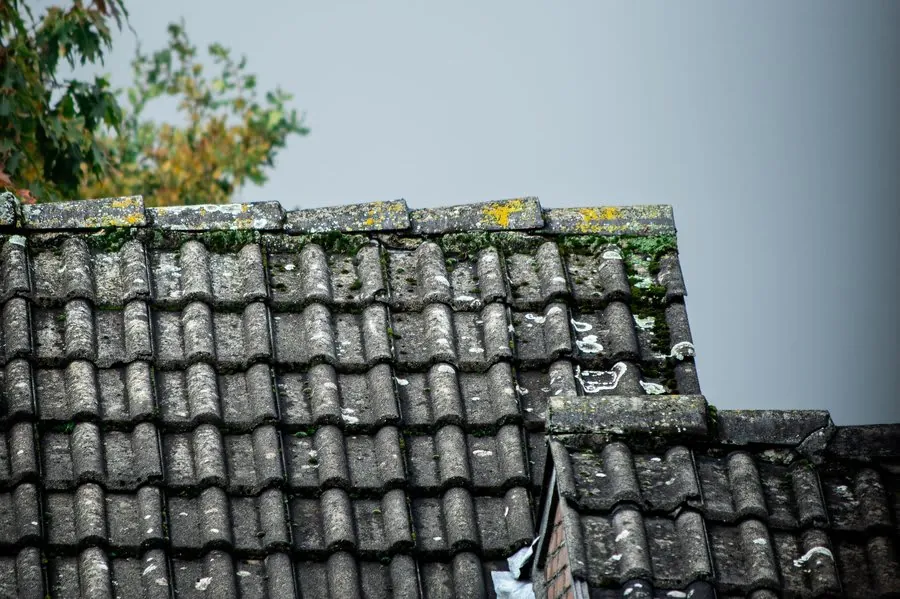
Slates that look “tired”. Delaminating slate flakes at the edges and starts to look layered, like a paperback left in the rain. Concrete tiles fade, lose their surface texture and grow moss readily once the surface has gone.
A wavy or dipping roofline. Sight along the ridge. It should be straight. A sag in the middle usually means a structural problem in the timbers, and that is a different and more serious conversation.
Mortar in the gutter or on the drive. Bits of grey grit appearing below the roof mean the bedding mortar on your ridge or your chimney flaunching is breaking down.
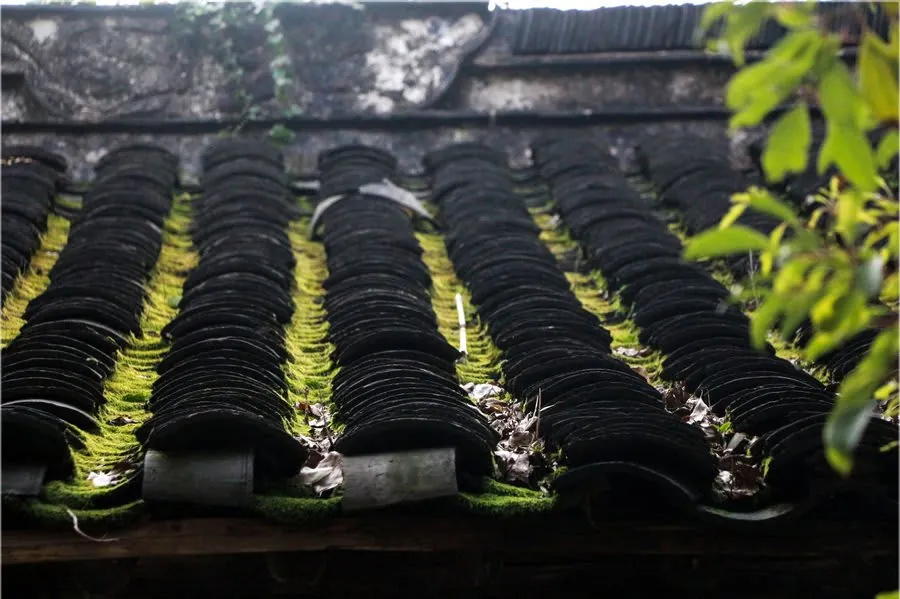
Vegetation. Moss on a north-facing slope is normal in Cumbria and mostly cosmetic. Actual plants growing out of a chimney stack or a valley are not - they mean there is enough trapped soil and water up there to sustain them.
What the loft tells you
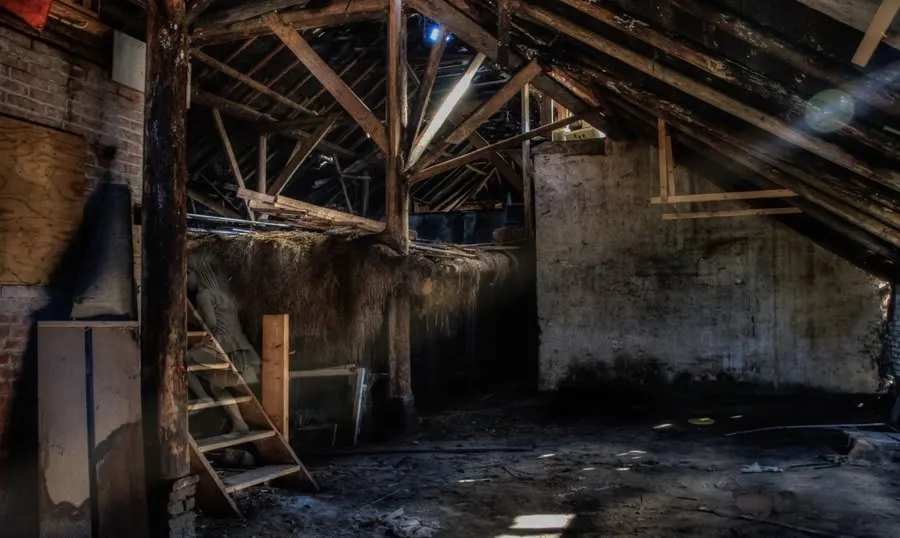
The loft is where the real evidence is, and it is the part most people never look at. Pick a bright day and take a torch anyway.
Daylight. A few pinpricks around a vent or where the felt has been cut are normal. Being able to see the sky through the covering in several separate places is not.
Wet or stained timber. Feel the rafters, particularly at the bottom where they meet the wall. Dark staining that is dry to the touch is historic - an old leak that has been fixed or has stopped. Timber that is actually damp is an active problem.
Sagging or torn felt. Old bitumen felt goes brittle and tears, and it holds pools of water where it sags between rafters. Modern breathable membrane should be taut and intact.
Battens. If you can push a screwdriver into a batten, or the wood crumbles under a fingernail, the thing your slates are nailed to has gone soft. That is close to definitive.
Condensation. Droplets on the underside of the felt, or on the nail points coming through, are often not a leak at all - they are warm moist air from the house meeting a cold surface. That is a ventilation problem, and the fix is soffit and ridge vents, not roof work. It gets misdiagnosed constantly and people spend real money on the wrong thing.
When repairing is genuinely the right call
Most of the roofs we survey in Carlisle should be repaired, not replaced - including a fair number where the owner has already been told otherwise by somebody else.
Repair is right when the fault is in one place and the rest of the covering sits flat and even; when what has failed is a detail rather than the slates themselves; when the loft timbers are dry; and when you have had one problem in recent years rather than one every year.
The reason this matters financially is stark. A single-fault repair in Carlisle typically costs between £150 and £900. A full re-roof runs from around £6,000 for a modest terrace in concrete tile to £18,000 or more in natural slate on a larger property. Being talked into the second when you needed the first is one of the more expensive mistakes available to a homeowner, and it happens because a re-roof is a much better day’s work for the roofer than a lead soaker is.
We look at it the other way round. We are a repairs firm, so we would rather fix your flashing properly and be the people you ring in five years. If you want the detail, our page on roof leak repairs covers how we actually trace a leak back to its source.
What a re-roof in Carlisle actually involves
When replacement genuinely is the answer, it is worth knowing what a proper job looks like so you can read a quote intelligently.
The roof should be stripped, not overlaid. Battening new tiles over an old covering is quicker and cheaper, and it hides the condition of the timbers while loading a structure designed for one covering with the weight of two. Get the word “strip” in writing.
You should be getting new breathable membrane and new battens throughout. Breathable underlay lets moisture out of the roof space while keeping water out - old bitumen felt does neither well and is a common cause of loft condensation.
Leadwork should be itemised. Chimneys, valleys, abutments, soakers. Lead is expensive and it is the first thing quietly trimmed from a keen quote. A re-roof quote that does not mention lead anywhere is one to question.
And the covering should match what is there, particularly on Carlisle’s terraces where the whole street reads as one roof. Concrete tile dropped onto a Victorian slate terrace looks wrong permanently, and in a conservation area it may not be permitted at all. The Planning Portal’s guidance on roofs sets out where permitted development ends, and Cumberland Council is the authority to check with locally - it took over from Carlisle City Council in April 2023, which catches out a lot of older advice online.
Whoever you use, it is worth checking they are a member of a recognised trade body such as the National Federation of Roofing Contractors.
Getting a straight answer
If you take one thing from all of the above: the question is not how old is my roof, it is is the failure in one place or everywhere.
One place, repeatedly, in the same spot, in the same weather - that is a detail, and it is fixable for a few hundred pounds.
Everywhere, in a different spot each year - that is the fixings, and repairs from that point on are money you will not get back.
If you are not sure which one you have, we will come and look for free and tell you honestly, including the times when the answer is that it does not need anything doing yet. You can read more about what a full roof replacement involves, or just ring and describe what your roof has been doing.
Frequently Asked Questions
How old does a roof have to be before it needs replacing?
There is no age at which a roof automatically needs replacing. Welsh slate laid in the 1890s can still be perfectly serviceable, and a badly laid concrete tile roof from 1985 can be finished. What matters is the pattern of failure, not the date on the deeds.
Is it cheaper to keep repairing a roof than replace it?
Yes, right up until it isn't. A single repair at £150 to £900 is far cheaper than a £6,000 to £18,000 re-roof, and if your roof has one failed detail that is clearly the right call. The maths flips when you are paying for a new repair every year in a different place, because that means the whole roof is failing at once.
What is nail fatigue?
It is the corrosion of the nails holding slates onto the battens. Because every nail on a roof went in on the same day, they reach the end of their life at roughly the same time, so slates start slipping from different parts of the roof within a few years of each other. It is the clearest single indicator that a slate roof needs replacing rather than repairing.
Do I need planning permission to replace a roof in Carlisle?
Not for a like-for-like replacement, which counts as permitted development. You do need to check if you are changing the roof covering material or shape, or if the property is listed or sits in a conservation area. Cumberland Council is the planning authority for Carlisle, having replaced Carlisle City Council in April 2023.
Free Roof Survey & Quote
Free roof survey and a fixed written quote, anywhere across Carlisle and Cumbria.