
14 August 2026
Do I Need Planning Permission For Roof Work In Carlisle?
Most roof repairs need no permission at all. Here is where that stops being true in Carlisle - conservation areas, listed buildings, the 25% building regs rule, and which council you now deal with.
Most people asking this question have already had a roofer tell them not to worry about it, and most of the time the roofer is right. Repairs are not development. Nobody needs a council’s blessing to replace a cracked slate.
The trouble is the handful of situations where that stops being true, and the consequences land on you rather than on whoever did the work. Carlisle throws up more of those situations than you would expect. The city centre, Stanwix Bank and a number of the outlying villages sit inside conservation areas. Historic England’s 2025 count put 379,580 listed buildings on the national list, and Carlisle has its share of them scattered through the centre and the surrounding parishes. And the authority you deal with changed entirely in April 2023, which means a great deal of the advice still sitting on the internet points at a council that no longer exists.
Here is what actually applies, and where the traps are.
The short answer, and the three things that change it
If you are repairing, you need nothing. Slipped slates, a lead flashing, repointing a chimney, clearing a valley, new guttering. None of that is development in planning terms, so permission never enters into it.
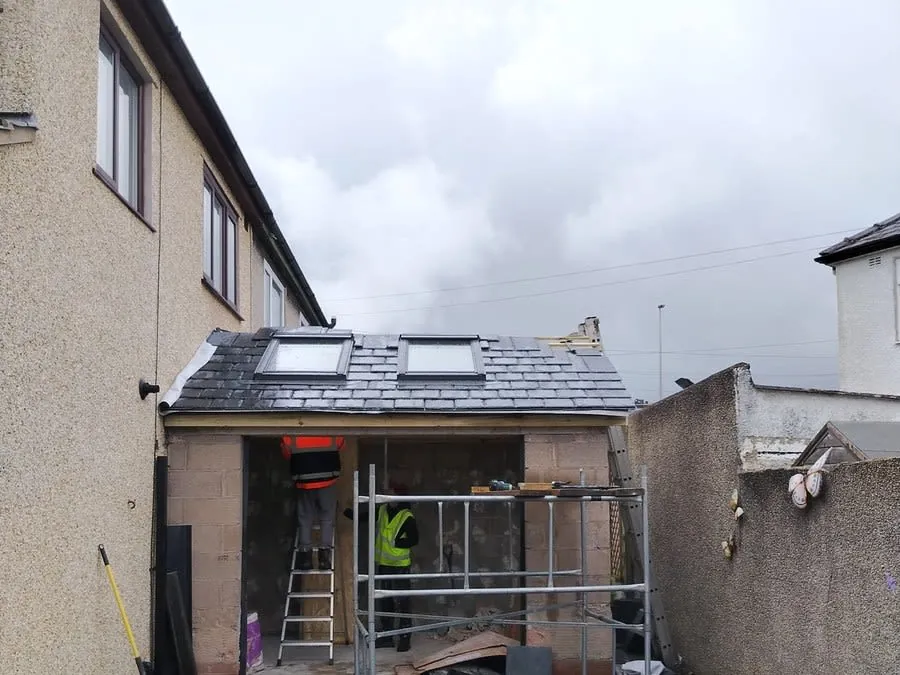
A full re-roof is usually fine too, which surprises people given the cost of one. Strip the covering off, put an equivalent covering back on, and you are doing what the rules call permitted development. Our page on what a roof replacement involves covers the work itself, but from a planning point of view the job is unremarkable as long as three things stay true.
The material has to look substantially the same as what came off. The shape and height of the roof cannot change. And the building itself has to be one that still holds its permitted development rights - which not every building in Carlisle does. Break any one of those and you are into an application.
What permitted development actually allows on a roof
Permitted development is a national grant of planning permission that already exists, so you are not asking for anything. You are checking that you qualify.
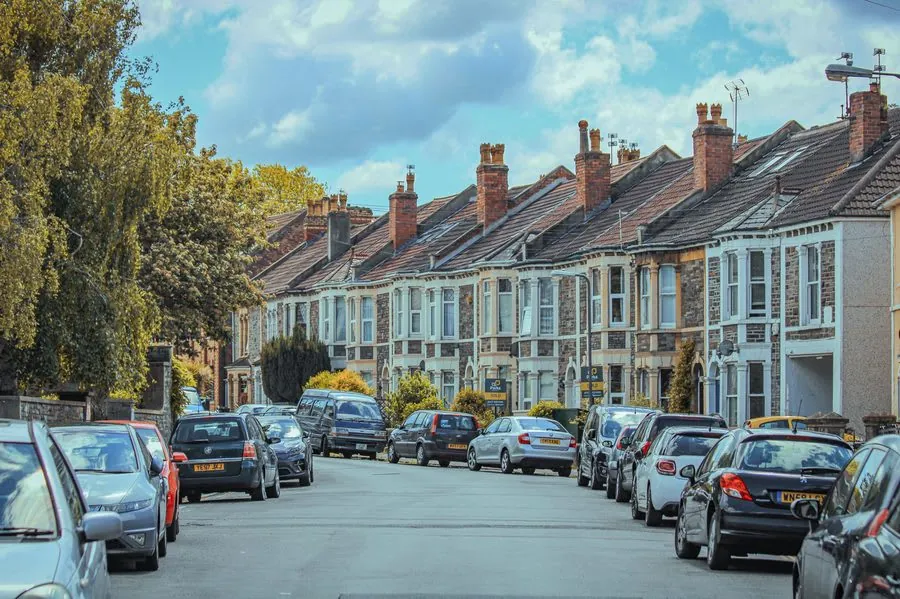
For roofs, the useful limits are worth knowing in actual numbers. Rooflights and roof windows can project no more than 150mm beyond the plane of the existing roof slope, and nothing you add can sit higher than the highest part of the existing roof. Dormers are allowed on most houses within a volume allowance of 40 cubic metres on a terrace and 50 on a detached or semi, and they cannot go on the roof slope that fronts a highway. Side-facing windows above ground floor have to be obscure-glazed and non-opening below 1.7m.
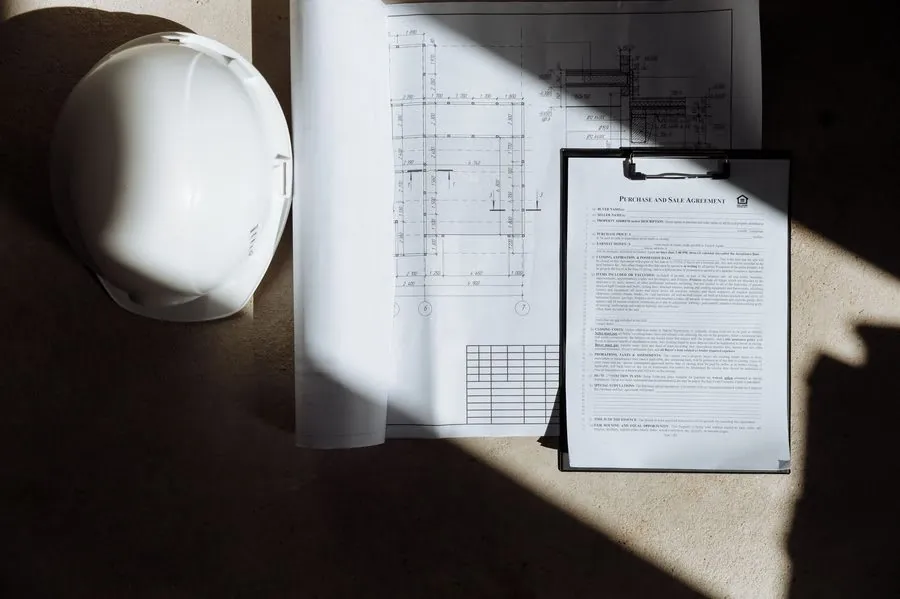
Two exclusions catch people. Flats and maisonettes have no permitted development rights at all, so a leaseholder in a converted Carlisle terrace is in a different position from the freeholder next door. And a property that has already used up its allowance on a previous extension may have nothing left. The Planning Portal’s guidance on roofs sets the national position out in full, and it is the first thing worth reading before you commit to anything beyond a repair.
Conservation areas: where Carlisle catches people out
Conservation area status does not stop you repairing your roof. What it does is strip out some permitted development rights, so work that would be automatic elsewhere becomes an application here.
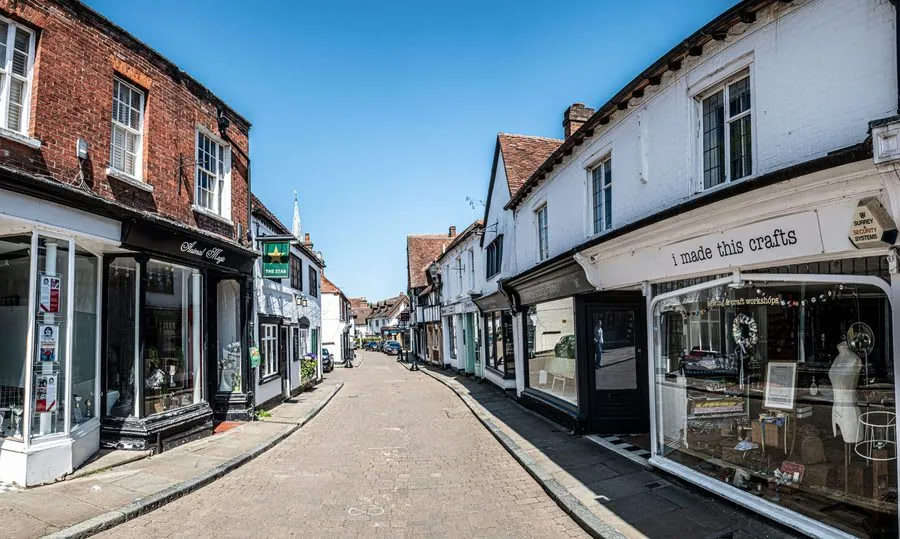
In practice the change that matters most is material. If your street was built with natural slate, a conservation area officer is very unlikely to accept concrete interlocking tile as a replacement, however much cheaper it is. Cladding is removed from permitted development in conservation areas entirely. Dormers on a roof slope facing a highway are out.
The pattern we see is people ordering materials first and checking second, which is the expensive way round. Some areas go further still through an Article 4 direction, a formal removal of specific permitted development rights inside a drawn boundary. Where one is in place it can catch things as small as replacing windows or altering a chimney. There is no way to guess whether one applies to you - it is a boundary on a map, and your neighbour two streets away may be in a different position. Check with Cumberland Council’s planning service before ordering materials, not after.
Listed buildings and the “like for like” trap
Listing is a different system from planning, and it is much stricter. It covers the whole building, inside and out, not just the frontage people assume it protects.
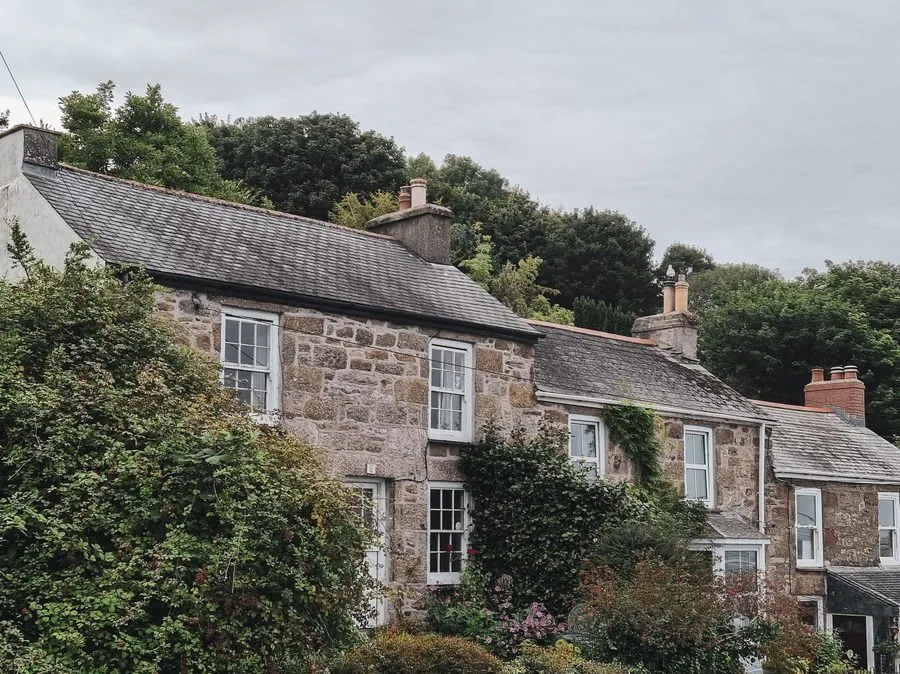
The trap is the phrase “like for like”. People assume that if they put back exactly what was there, consent is not needed. That is not how it works. Listed building consent is required for any work affecting the building’s special interest, and on a roof that can include re-slating in a different slate, changing the fixing method, altering the pitch of a valley, or replacing hand-made ridge tiles with machine-made ones. Even the mortar mix can matter, because a soft sandstone stack pointed in hard cement is a change to the fabric.
Carrying out unauthorised work to a listed building is a criminal offence, not a civil planning matter, and there is no point at which it quietly becomes lawful. This is the one section where I would stop and ring the council before doing anything, and I am not usually precious about paperwork. If your property is listed, the sequence is always the same: find out what is proposed, ask the conservation officer before anyone climbs a ladder, and get the consent in writing.
Building regulations are a completely separate hurdle
This one catches out people who did check their planning position, because they assume one clearance covers the lot. It does not. Planning permission and building regulations are separate regimes, separate applications, separate sign-offs.
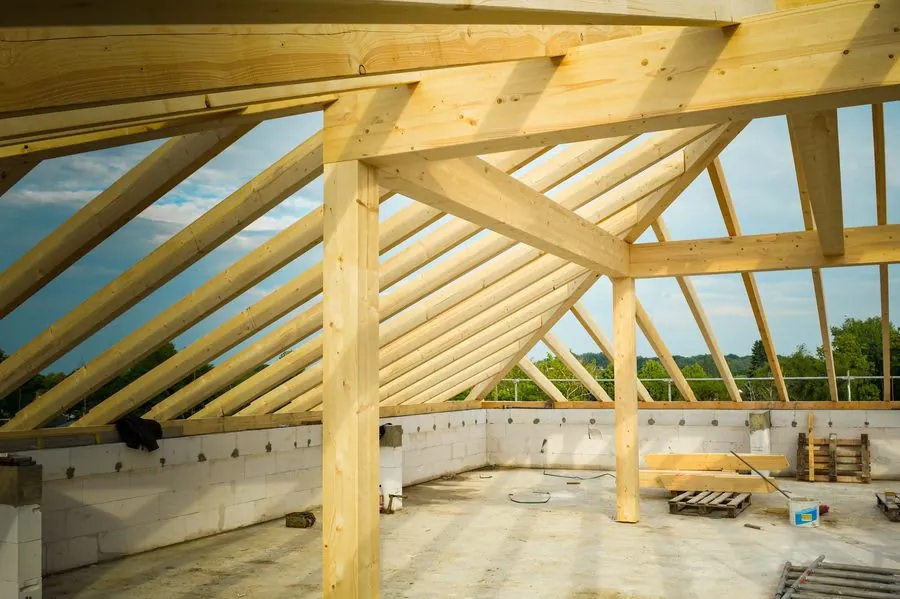
The threshold to remember is 25%. Renew more than a quarter of the roof covering and the work counts as renovating a thermal element, which triggers a requirement to bring the insulation up to current standards. On a full re-roof that almost always applies. It is not usually a dealbreaker - insulation goes in as part of the job - but it needs to be in the quote, and the work needs signing off.
Flat roofs specifically
The same 25% rule catches flat roof re-covering, and it bites harder there because a flat roof on an older Carlisle extension often has little or no insulation at all. Bringing it to standard can mean building up the deck, which changes upstand heights and door thresholds. A quote that ignores this is a quote that will grow.
Which authority you actually deal with, and why that changed
If you are searching for guidance, this is where most of the internet will mislead you. Carlisle City Council no longer exists. It was abolished on 1 April 2023 and replaced by Cumberland Council, a unitary authority covering the former Carlisle, Allerdale and Copeland districts.
For anyone whose roof sits outside the city, the map fragments quickly. Brampton, Wigton, Longtown and Dalston are Cumberland. Penrith and Kendal moved to Westmorland and Furness Council, which replaced the old Eden and South Lakeland districts. Windermere sits inside the national park, so planning there is decided by the Lake District National Park Authority rather than by any council, and matching the original slate is effectively expected rather than encouraged.
And Gretna, twenty minutes up the road, is in Scotland. Different council, different planning system, and Scottish building standards rather than the England and Wales Approved Documents. Anyone quoting you English regulations for a Gretna roof has not checked.
What happens if you skip it
For ordinary planning breaches, the council can serve an enforcement notice requiring you to put the building back. There is a four year immunity period for operational development, after which most breaches become lawful, and people do gamble on it. Two reasons not to.
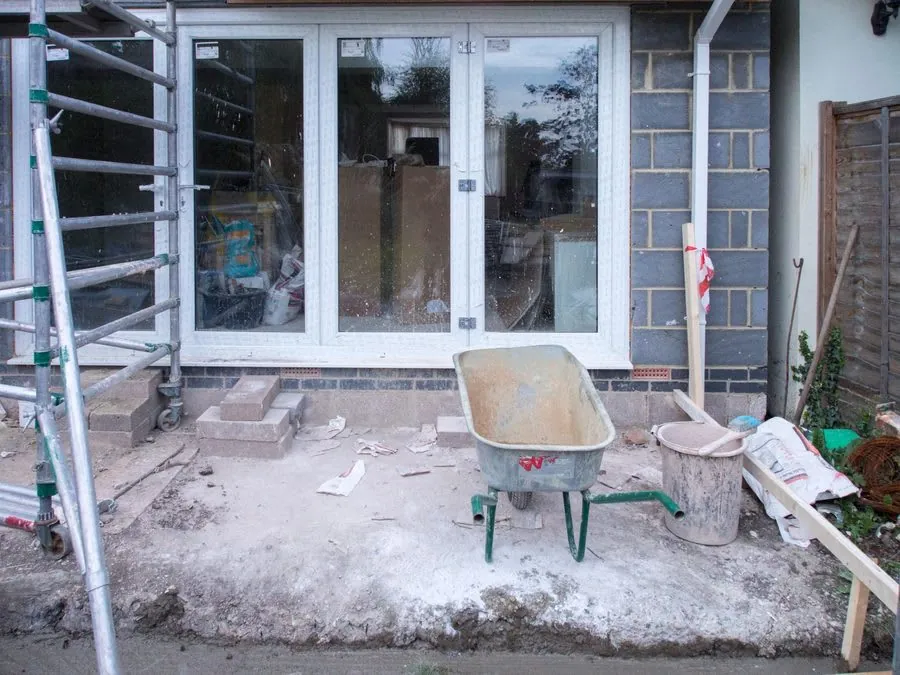
The first is that it surfaces when you sell. Conveyancing solicitors ask for building regulations completion certificates as a matter of routine, and a missing one on a re-roof either kills the sale, knocks the price down, or costs you an indemnity policy. The second is that listed building work has no immunity period at all, and unauthorised work there is prosecutable indefinitely.
None of this is a reason to be nervous about having your roof repaired. It is a reason to ask two questions before work starts: does this need permission, and does it need building regulations sign-off. A roofer who cannot answer both for your specific property has not done this often enough. If you are still weighing up whether the job is a repair or a replacement in the first place, our guide on whether your roof is worth saving is the place to start.
Frequently Asked Questions
Do I need planning permission to repair my roof in Carlisle?
No. Repairs and maintenance are not development, so no permission is required, and that holds whether you are replacing three slipped slates or renewing a lead flashing. It only changes if your property is listed, where even like-for-like repair can require listed building consent.
Can I replace my whole roof without planning permission?
Usually yes. A like-for-like re-roof, using materials of similar appearance and not altering the shape or height, normally falls under permitted development. Changing to a visibly different material, altering the roof shape, or living in a flat, a listed building or a conservation area with an Article 4 direction can all remove that.
Which council handles planning for roof work in Carlisle?
Cumberland Council. It replaced Carlisle City Council and Cumbria County Council on 1 April 2023, so any guidance still naming Carlisle City Council is out of date. Penrith and Kendal come under Westmorland and Furness Council, Windermere is decided by the Lake District National Park Authority, and Gretna is in Scotland under Dumfries and Galloway.
Do building regulations apply if I only re-cover part of my roof?
They apply once you renew more than 25% of the roof covering. At that point the work is treated as a renovation of a thermal element and the roof usually has to be insulated to current standards, which is a separate approval from planning permission and is easy to overlook.
Do I need permission to fit roof windows in Carlisle?
Normally no. Rooflights are permitted development provided they project no more than 150mm beyond the plane of the existing roof and sit no higher than the highest part of the roof. In a conservation area or on a listed building, expect that to be looked at far more closely.
Free Roof Survey & Quote
Free roof survey and a fixed written quote, anywhere across Carlisle and Cumbria.