
20 August 2026
How Long Does A Flat Roof Last? Felt, EPDM And GRP In Carlisle Weather
Felt, rubber or fibreglass - the honest lifespans for each, why Carlisle's freeze-thaw winters shorten them, and how to tell whether yours needs a patch or a new covering.
Ask three trades how long a flat roof lasts and you will get three confident, different answers. The reason is that the question hides three variables: which covering, how well it was laid, and what weather it lives under. The first two travel with the roof. The third is where Carlisle puts its thumb on the scale.
The short version: traditional felt is realistically a 10 to 15 year covering here, high-performance torch-on felt 15 to 20, GRP fibreglass 20 to 30, and EPDM rubber 30 and upwards - and the person laying it can halve or stretch any of them. The rest of this post is what sits behind those numbers, and how to work out where your own roof is on its curve.
Why the covering matters less than the person laying it
Flat roofs have a worse reputation than they deserve, and they earned it in the 1970s and 80s, when cheap felt over minimal falls was the default way to roof every garage and extension in Britain. Those roofs failed young and loudly, and two generations of homeowners concluded that flat roofs simply leak.
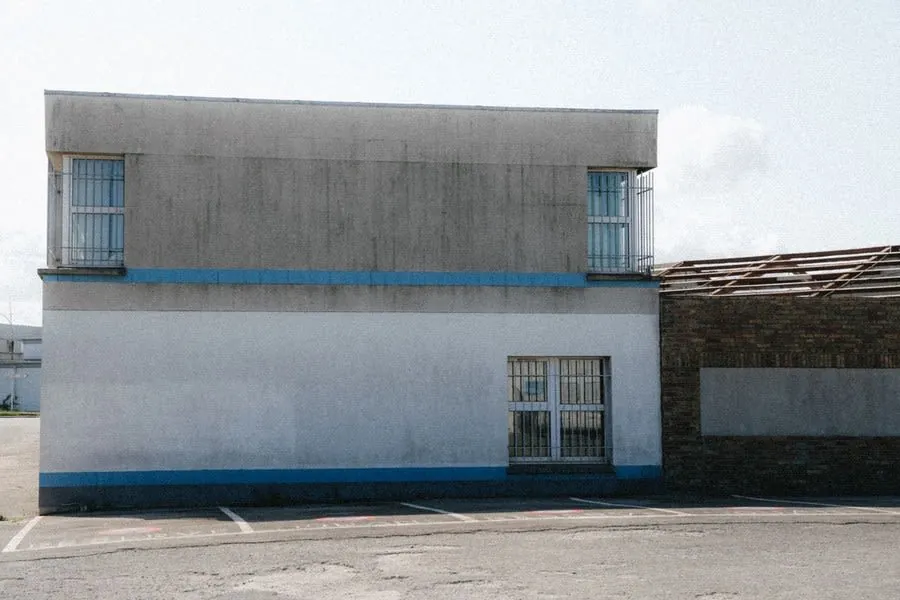
They do not, laid properly. A flat roof is really a shallow-pitched roof - a sound one still falls towards its outlet so water leaves rather than lives there - and the failures that define the reputation nearly all trace back to detailing: the upstand where the roof meets the house wall, the drip edge into the gutter, the collar around a soil pipe. The flat middle of a flat roof is rarely where the trouble starts, which is a theme we see weekly in our flat roof repair work across the city. The trade body for this corner of the industry, the Liquid Roofing and Waterproofing Association, exists partly because modern systems are only as good as the installation standards behind them.
The Carlisle tax on every lifespan figure
Manufacturer lifespans are tested in laboratories. Your roof lives on the Solway plain, and two local habits of the weather quietly shorten every published number.
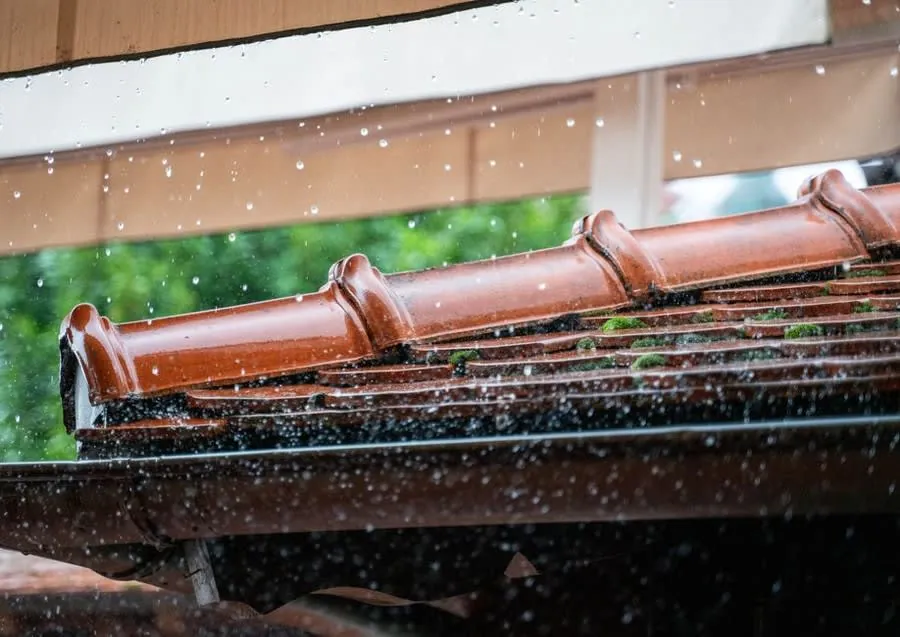
The first is how rarely a roof here gets to dry out. Carlisle’s rain arrives little and often, which means a flat roof spends much of October to April permanently damp. Every ageing mechanism a covering has - bitumen oxidising, joints creeping, chippings washing off - runs faster on a wet surface than a dry one.
The second is freeze-thaw. Carlisle winters hover around zero rather than sitting below it, and that is the worst pattern a flat roof can face, because water on the surface freezes and thaws repeatedly rather than once. The Met Office’s guide to frost explains the mechanics, but the consequence on a roof is simple: any water sitting in a blister, a seam or a pond expands every time it freezes, and each cycle levers the fault slightly wider. A covering that would see out its full span in a drier, steadier climate gives up its last few years to this.
Felt: the covering most of Carlisle already owns
Walk the back lanes of Botcherby or Harraby and nearly every offshoot, garage and extension you see is felt. It is the covering the city’s flat roofs were built with, and the one most people are asking about when they ask how long a flat roof lasts.
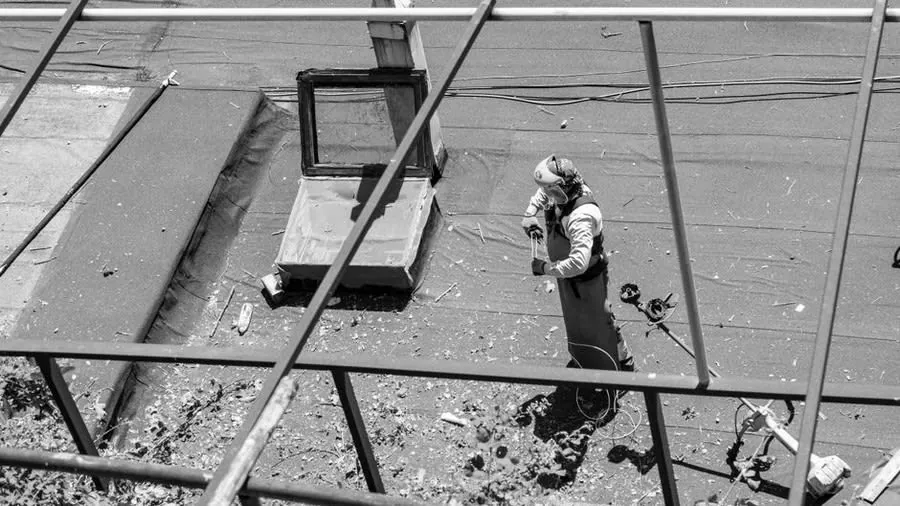
Old-style built-up felt - layers of bitumen sheet bonded together - is the 10 to 15 year covering, and most of what is failing across Carlisle now is exactly this, laid in the 90s and 2000s and simply at the end of its span. Modern torch-on systems are a genuine step up: polyester-reinforced, elastic enough to move with the roof, and good for 15 to 20 years laid well. Felt’s real weakness in this climate is that bitumen stiffens as it ages, so an old felt roof loses its flexibility exactly when winter movement demands it, and cracks where it can no longer stretch.
Felt remains a perfectly rational choice - it is the cheapest covering, repairs easily, and on a garage you might re-roof once a decade for less than one premium system. The mistake is expecting premium lifespans from it.
EPDM: the one-piece answer
EPDM is a synthetic rubber sheet, and its whole argument is in how it arrives: as a single piece, cut to your roof, with no joints anywhere in the field of the covering. Since joints and seams are where flat roofs die, removing them removes most of the ways the roof can fail.
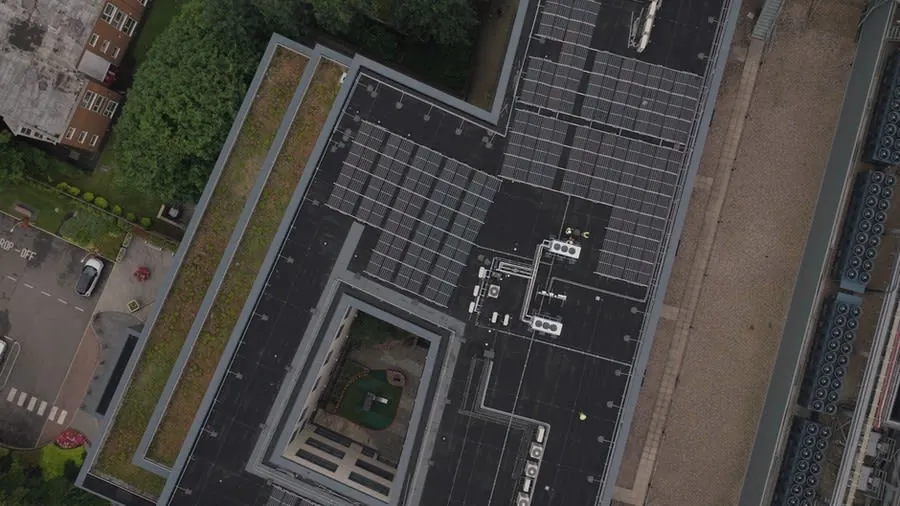
It also happens to be the covering best matched to Carlisle’s particular unkindnesses. Rubber does not mind staying wet. It stays flexible far below any temperature this city reaches, so freeze-thaw movement flexes it rather than cracking it. Thirty years is the routine expectation and fifty is credible on a simple roof, which is why we tend to steer anyone re-covering a roof over a habitable room - a kitchen extension, a flat-roofed dormer - towards it.
Its limits are worth knowing. The membrane punctures more easily than GRP if a roof gets regular foot traffic, and on complicated roofs with many penetrations the detailing eats into the one-piece advantage. And because the sheet is only as good as its perimeter fixings, a cheap EPDM job fails at the edges just like a cheap felt job does - the material never gets the chance to demonstrate its lifespan.
GRP: hard-wearing, but fussy about the day it is laid
GRP - fibreglass, laid wet as resin and matting over a timber deck and then topcoated - cures into a single rigid waterproof shell with no seams at all. Done well it is good for 20 to 30 years, it takes foot traffic better than anything else in this list, and it suits balconies and roofs you actually use.
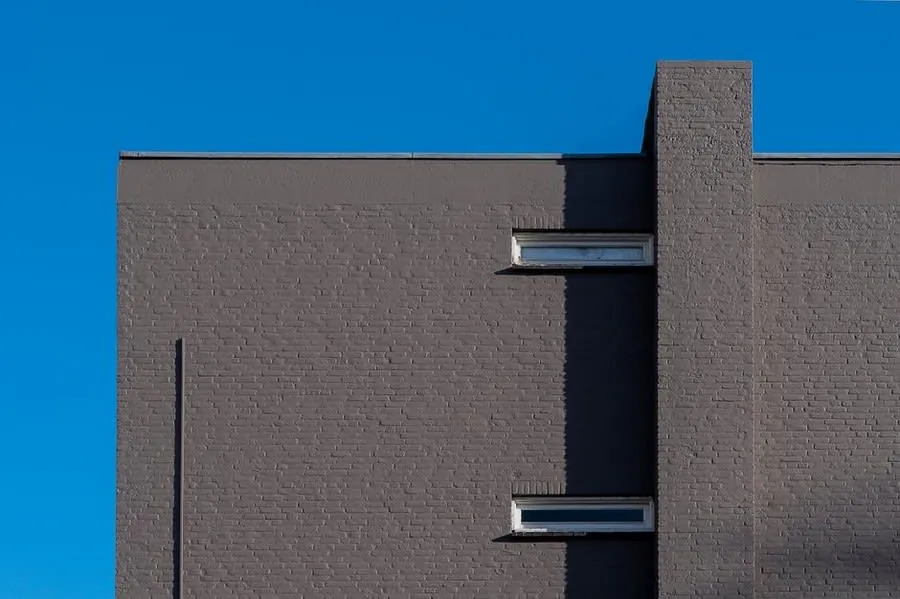
The Carlisle catch is the laying window. Resin needs a dry deck and a mild day to cure properly, and this is not a city that hands those out generously between September and May. GRP laid onto a damp deck, or rushed ahead of afternoon rain, is compromised from day one - and unlike felt, a bad GRP job cannot be patched into respectability, because the shell either cured right or it did not. The material also has no give, so on large roofs or lively timber structures it can craze as the building moves beneath it.
None of that argues against GRP. It argues for having it laid by someone willing to wait for the weather, which in Cumbria is its own test of character.
What actually kills flat roofs early
Whatever the covering, the roofs we condemn young in Carlisle die of the same few causes, and most of them are visible from a bedroom window long before water reaches a ceiling.
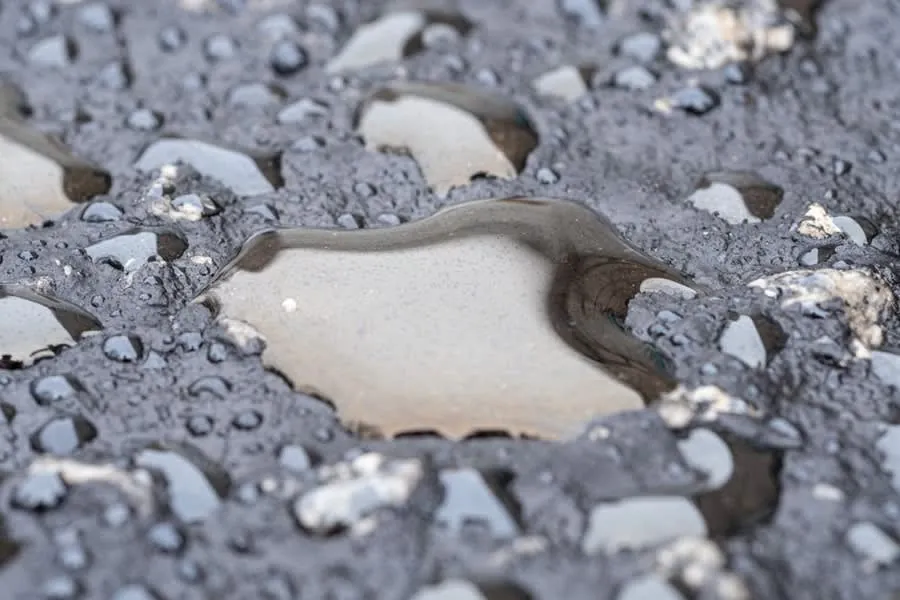
Ponding is the biggest. Water that still sits in the same spot two days after rain means the falls have failed or the deck has sagged, and that patch of roof now ages on a different, faster clock - permanently wet, freezing repeatedly all winter, its chippings washed away and its surface exposed to summer UV through a magnifying lens of water. Blocked outlets do the same damage more suddenly; one autumn’s leaves over the only outlet can put the whole roof underwater. Blisters - trapped air or moisture lifting the covering in bubbles - are harmless right up until frost or a footstep bursts one. And foot traffic from window cleaners, aerial fitters and satellite engineers puts point loads on coverings that were never designed as walkways.
The common thread is that every one of these is cheap to deal with early and expensive to ignore. A flat roof rarely surprises anyone who looks at it twice a year.
Patch, repair or re-cover - reading the signs honestly
The repair-or-replace question on a flat roof comes down to whether the covering is failing somewhere or failing everywhere.
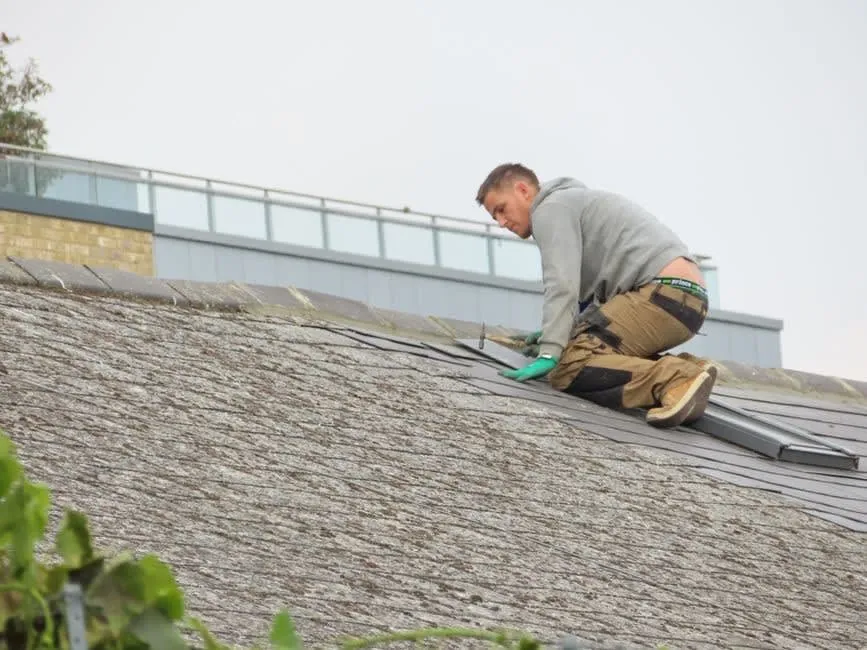
Failing somewhere is fixable: a split upstand, one lifted seam, a puncture under a new aerial. If the surrounding covering is sound and the deck is dry, a proper localised repair on a felt or EPDM roof is money well spent. Failing everywhere looks different - crazing across the full area, blisters in numbers, a deck that gives underfoot, or a leak that moves each time it is patched. At that point further repairs are rent, not investment, and the honest advice is a re-cover. The reasoning is the same pattern-versus-incident logic we set out for pitched roofs in our post on whether a Carlisle roof is worth saving, and it holds even better on flat roofs, where the covering is one continuous surface that tends to age as one.
Two things to check in any re-covering quote. First, the deck: if water has been getting in, some boarding will need replacing, and a quote that assumes a perfect deck is a quote that grows on the day. Second, insulation: renew more than 25% of the covering and building regulations approval rules treat the roof as a renovated thermal element, which normally means insulating to current standards as part of the job. Good firms price this in from the start.
The extension boom and the flat roofs Carlisle is building now
Flat roofs are not just an inheritance from the 70s - Carlisle is actively building more of them. The rear extension with a flat or near-flat roof is the default way the city’s semis in Morton, Belah and Harraby are gaining kitchens, and most new dormers wear a flat top too.
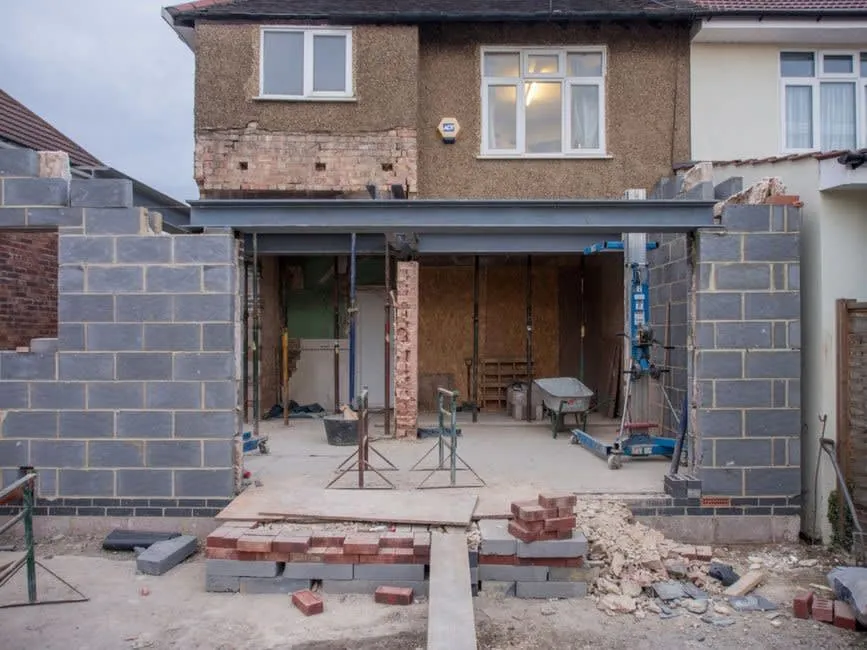
If you are at that stage now, the covering decision is worth more attention than it usually gets, because it is being made for a roof over a room you will live in rather than a garage you park in. A leak through an extension roof ruins a kitchen ceiling, not a stack of paint tins. That pushes the value calculation towards EPDM or well-laid GRP even though felt wins on the build quote, and it makes the falls - designed in at the joinery stage, not improvised by the roofer - the single detail most worth asking your builder about.
For the flat roofs you already own, the practical takeaway of everything above fits in three lines. Know which covering you have and roughly when it went on. Look at it each spring and autumn - ponds, blisters, blocked outlets, lifted edges. And act on the small stuff while it is still small, because in this climate no flat roof fault ever spends long deciding to get worse.
Not sure where your flat roof sits on its curve? We will look and tell you straight - including when the answer is that it has years left.
Frequently Asked Questions
How long does a felt flat roof last?
A traditional built-up felt roof is realistically good for 10 to 15 years, and a modern high-performance torch-on system for 15 to 20 when it is laid well. The range is wide because workmanship matters more than the material - a badly detailed felt roof can fail inside 5 years, usually at an upstand or edge rather than in the middle.
Is an EPDM rubber roof worth the extra cost?
Usually, yes, if you plan to keep the property. EPDM costs more per square metre than felt but is commonly good for 30 years and often longer, because it comes in one sheet with few or no joints and stays flexible in cold weather. Over the life of the roof it tends to work out cheaper than laying felt twice.
Can a flat roof be repaired, or does it always need replacing?
Localised damage on a covering that is otherwise sound repairs perfectly well - a split at an upstand, a lifted seam, a puncture from dropped debris. Replacement becomes the right call when the surface is failing generally: widespread blistering, crazing across the whole area, or a deck that feels soft underfoot, which means water is already in the structure.
Does water pooling on my flat roof mean it has failed?
Not by itself. Minor ponding that dries within a day or two is common on older flat roofs and is a warning rather than a failure. It matters because standing water accelerates every other ageing process and, in a Carlisle winter, freezes and works at seams and blisters. Persistent deep ponding is worth having looked at before it finds a way in.
Do building regulations apply when a flat roof is re-covered?
Yes, once you renew more than a quarter of the roof covering. The roof is then treated as a renovated thermal element and normally has to be brought up to current insulation standards at the same time, which changes the build-up and the price. A quote for a full re-cover that never mentions insulation is a quote that has skipped this.
Free Roof Survey & Quote
Free roof survey and a fixed written quote, anywhere across Carlisle and Cumbria.