
31 August 2026
Does A New Roof Add Value To A Carlisle Home?
Average Carlisle house prices sit well below the England figure, which changes the maths on a new roof. What it really adds, and when to spend.
Every seller asks it sooner or later, usually while staring at a quote: if I spend this on the roof, do I get it back when I sell? Around Carlisle the honest answer is more interesting than a yes or a no, because the numbers here are not the numbers you read about in national property pieces. This is one of the cheapest cities in England to buy a house, and that single fact changes what a roof is worth doing, when, and to whom. A £7,000 re-roof means something different on a £142,000 Denton Holme terrace than it does on a £400,000 house in the south east, and pretending otherwise leads people to spend money in the wrong places.
So here is the local version of the answer, with the actual figures.
Start with what Carlisle houses actually sell for
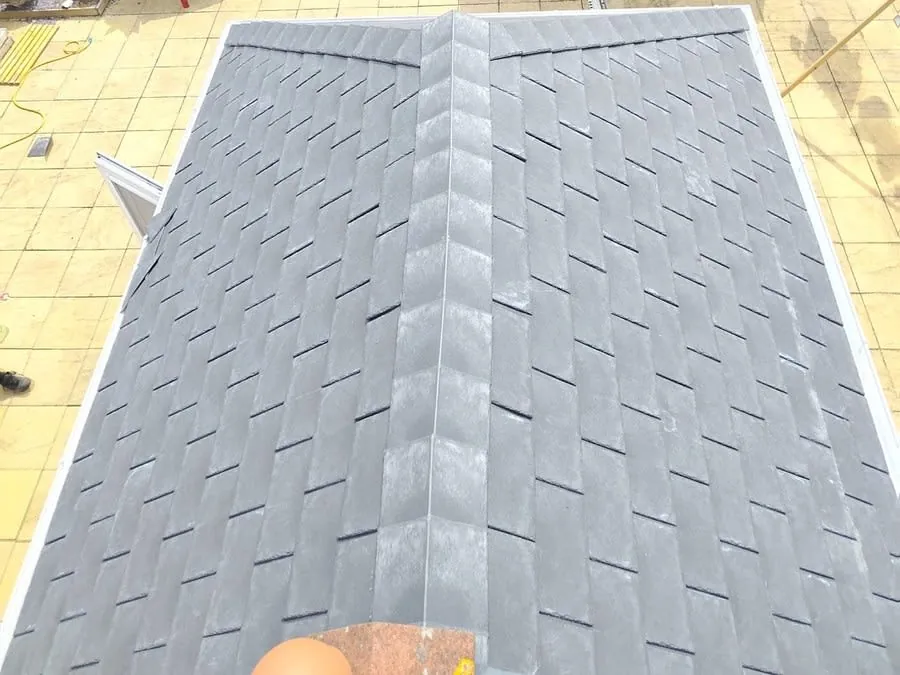
The Land Registry’s UK House Price Index puts the average home in Cumberland at £172,716 as of April 2026, against £291,829 for England as a whole. Break it down by type and the picture sharpens: terraced houses average £142,020, semis £179,445, and flats £95,366. Prices rose 5.1% in the year to April, but the ceiling is real. Most streets in Carlisle have a number above which houses simply do not sell, however nice the finish.
That ceiling is the first thing to understand about roofs and value. Improvements do not stack on top of the local market; they help a house reach the top of its own street’s range, and no further. A full roof replacement cannot push a Currock terrace past what Currock terraces fetch. What it can do, and this is where real money changes hands, is stop the house selling at the bottom of that range, or not selling at all.
The survey is where your roof gets priced, not the listing

Nobody bids more for a house because the listing photos show nice slates. The roof enters the transaction later, when the buyer’s surveyor turns up, and it enters as a risk rather than a feature. A RICS Level 2 survey rates each element with a traffic-light condition score, and a red 3 against the roof does two things at once: it hands the buyer a negotiating stick, and it spooks them about the rest of the house.
Mortgage valuers matter even more. If the valuer notes the roof, the lender can hold back part of the loan until the work is done - a retention - or refuse to lend on the property at all. On a £120,000 purchase, a £6,000 retention is money a first-time buyer in Carlisle usually does not have sitting spare, so the sale dies not because anyone disliked the house but because the finance could not bridge the gap. We have picked up more than one job over the years where the phone call started with a collapsed chain rather than a leak.
The percentage problem: why the maths bites harder here
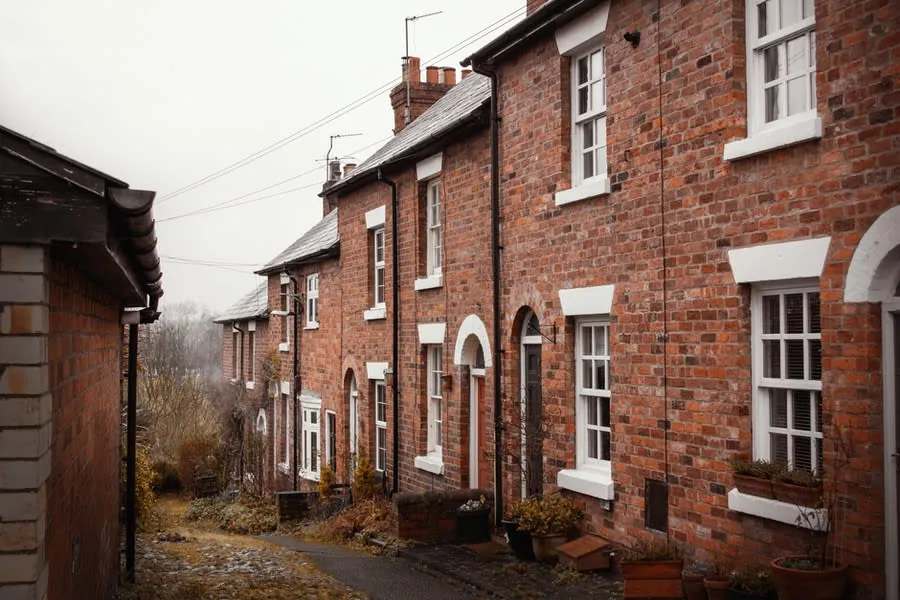
Roofing costs do not scale down with house prices. Slates cost what slates cost, scaffold costs what scaffold costs, and a roofer’s day is a roofer’s day whether the house underneath is worth £140,000 or £400,000. So the same re-roof that swallows 2% of a southern house’s value swallows 5% or 6% of a Carlisle terrace’s.
Put real numbers on it. A straightforward tile re-roof on a two-bed terrace might run £5,500 to £8,000 depending on access and what the timbers look like once the old covering is off. Against the average Cumberland terrace at £142,020, the top of that range is nearly 6% of the entire property. Nobody recoups 6% of a house’s value from new slates alone - which is precisely why the decision should never be framed as an investment chasing a return. It is either necessary, in which case not doing it costs more, or it is not, in which case the money belongs elsewhere.
What actually goes wrong at sale time
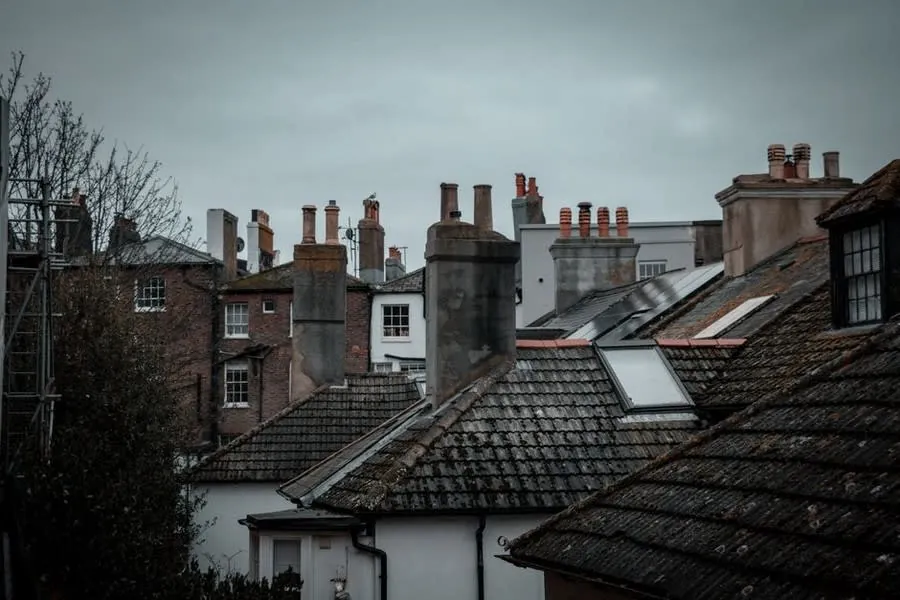
When a survey flags a roof, the buyer’s next move is to get their own quotes - and buyers’ quotes always come in high, because the roofer pricing it has never seen inside the loft, prices in the unknowns, and knows the customer is negotiating with someone else’s money. A £4,000 repair becomes a £7,000 estimate becomes a £9,000 price reduction request. Sellers routinely give away more than the fix would have cost them, simply because they lost control of who priced the problem.
The other pattern is quieter and worse: the buyer says nothing and withdraws. In a market where the average terrace costs £142,000, plenty of buyers are stretched to their limit, have no reserve for building work, and would rather restart their search than take on a project. A visibly tired roof on the listing photos - slipped slates, sagging ridge, ferns in the gutter - filters those people out before they ever book a viewing, and you never find out why the phone stayed quiet.
When replacing before you sell is the right call
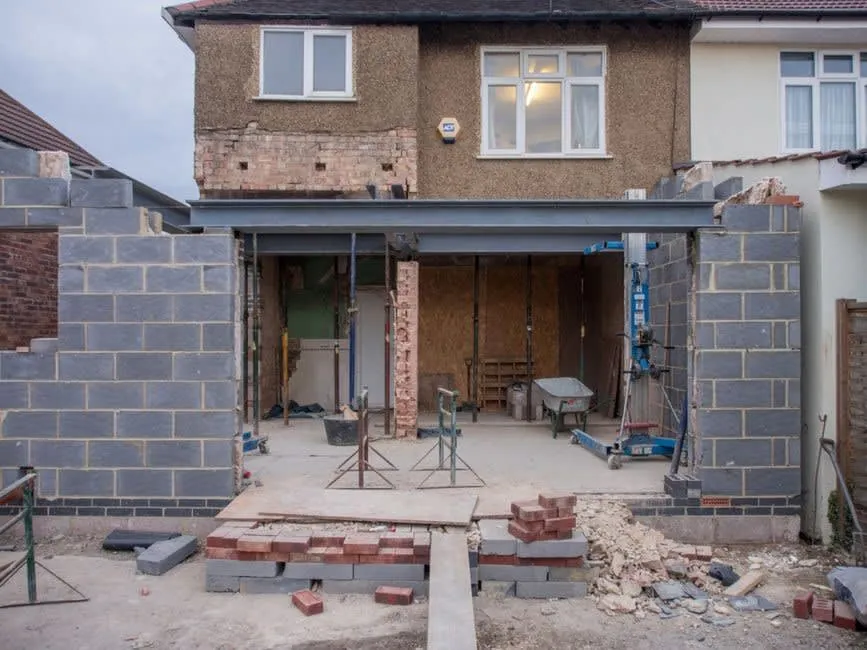
If the roof is genuinely at the end of its life - nail-sick slates letting go across the whole slope, felt hanging in ribbons under the battens, daylight in the loft - then replacing before you list is usually the cheaper of two bad options. You pay trade price rather than funding a buyer’s padded estimate, you choose the contractor, and the estate agent gets to write “new roof with guarantee” instead of fielding awkward questions after every second viewing.
We covered the other side of this transaction in our guide to checking the roof before buying a house in Carlisle, and the two pieces are mirror images: everything a smart buyer looks for is something a smart seller sorts out first. Timing matters too. Roofing in Cumbria is a spring-to-autumn trade at its best, so a seller planning a January listing wants the work booked by September rather than fighting for a weather window in December.
When a repair is the better money
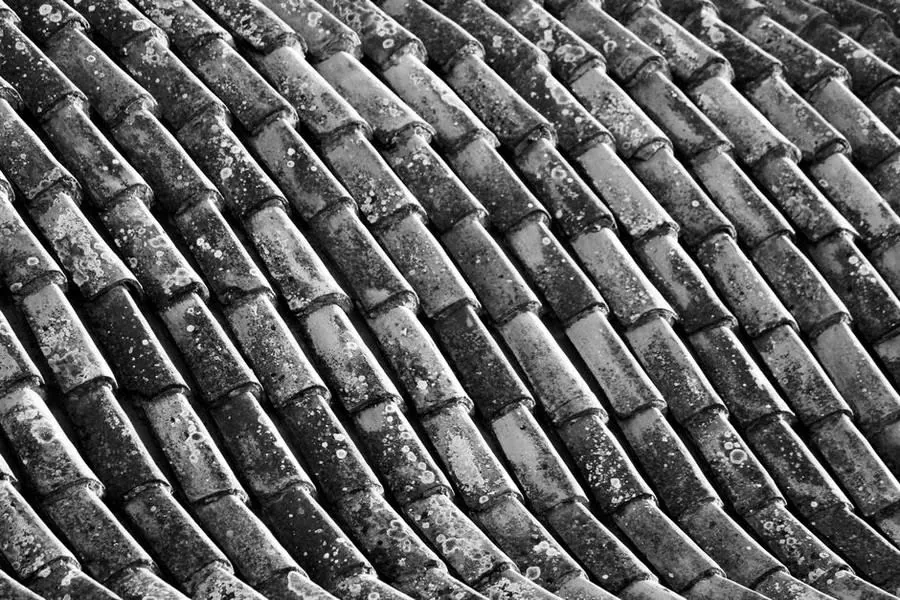
Most Carlisle roofs that worry sellers do not need replacing. A roof can look thoroughly tired from the pavement - faded, lichen-spotted, a bit uneven - and still be doing its one job of keeping water out. Surveyors describe condition, not appearance, and what earns the red rating is evidence of failure: slipped units, broken flashings, damp staining on the roof timbers.
For a few hundred pounds, refixing the handful of slipped slates, repointing the ridge, and sorting the flashing where the chimney meets the covering deals with everything a Level 2 survey is likely to catch. Keep the invoice. A dated bill from a local roofer, handed over with the property information forms, answers the survey question before it gets asked - and it converts your roof from an unknown risk into a documented, maintained element. Unknowns are what buyers deduct for; paperwork is what calms them down.
If you are not selling at all
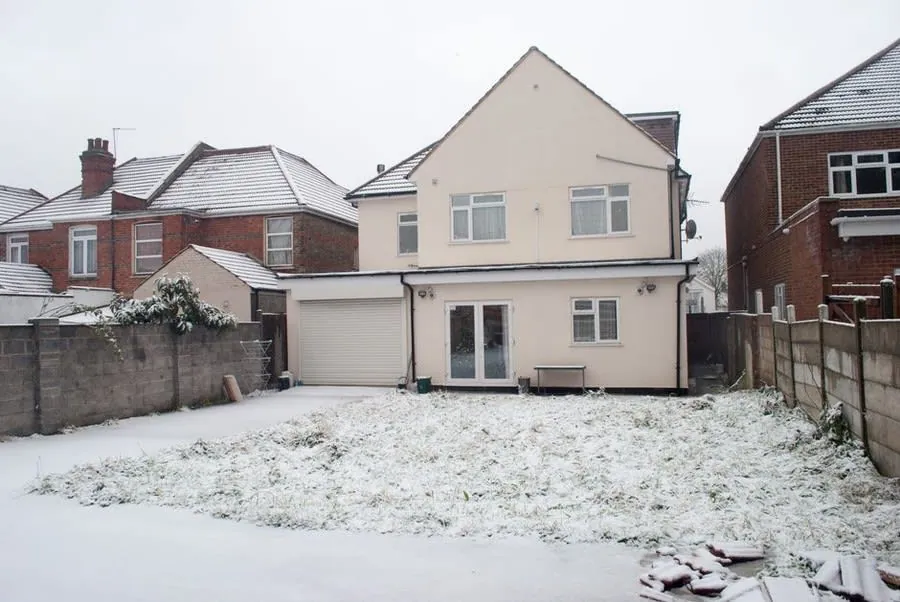
For the household staying put, the value question flips entirely. A roof’s worth is everything it prevents: the ceiling that never comes down, the loft insulation that never gets soaked flat, the redecoration that never becomes necessary. Carlisle gets 918.8mm of rain across 153 days a year on the Met Office averages, so a roof here is intercepting water most weeks of the year - failure is never a question of if.
If you do commission a replacement, insist on the paperwork that carries value forward: a written workmanship guarantee, the manufacturer’s warranty on the covering, and ideally an insurance-backed guarantee of the kind promoted through trade bodies like the National Federation of Roofing Contractors. Ten years from now, when you do sell, those documents are the difference between “new roof, guaranteed, transferable” and a fading memory of some work that was done at some point. The roof adds its value on the day someone else has to trust it.
If you are weighing up a repair against a replacement, or you have had a survey come back with the roof circled in red, we will look at it and give you an honest written assessment either way.
Frequently Asked Questions
Does a new roof add value to a house in Carlisle?
Not pound for pound. A £7,000 re-roof will not lift a £142,000 terrace to £149,000. What it does is stop the sale losing value - a bad survey result routinely knocks more off an agreed price than the roof would have cost, and some buyers walk away entirely rather than negotiate. Think of a new roof as protecting the price you have, not adding to it.
Should I replace my roof before selling my Carlisle house?
Only if the roof is genuinely failing. If a surveyor is going to write 'roof at end of serviceable life' on the report, replacing first keeps you in control of the cost and keeps nervous buyers at the table. If the roof is tired but sound - a few slipped slates, worn pointing - a proper repair with an invoice to show usually achieves the same reassurance for a tenth of the money.
How much do buyers knock off for a bad roof?
More than the work costs, almost every time. A buyer quoted £6,000 for a re-roof will typically ask for £8,000 to £10,000 off, partly as a cushion and partly because the survey has made them nervous about everything else. That gap between what the work costs and what buyers deduct for it is the strongest financial argument for fixing a known problem before the board goes up.
Will a mortgage lender refuse a house with a bad roof?
They can, and in Carlisle's price bracket they do. If the valuer flags the roof, the lender may impose a retention - holding back part of the loan until the work is done - or decline the property altogether. On a lower-priced terrace the retention can be a big slice of the whole loan, which is exactly how chains collapse. A sound, dry roof keeps the valuation clean.
Free Roof Survey & Quote
Free roof survey and a fixed written quote, anywhere across Carlisle and Cumbria.