
20 August 2026
How To Choose A Roofer In Carlisle: What To Check Before Anyone Touches Your Roof
Anyone can buy a ladder and call themselves a roofer. Here is how to sort the good Carlisle firms from the chancers - quotes, insurance, deposits and the questions that catch people out.
Here is the uncomfortable fact at the bottom of this whole subject: roofing in the UK has no licence, no register you must be on, and no qualification you legally need before you take money for it. A van, a ladder and a Facebook page are the entire barrier to entry.
Most Carlisle roofers are sound. The trade here is small enough that reputations travel, and a firm that does bad work in a city this size runs out of road quickly. But the minority who are not sound do real damage - not just to roofs, but to the savings of the people who hired them. This guide is the checklist we would give a relative who lived somewhere we could not vouch for the local firms personally.
Nobody is checking, so you have to
Because there is no licensing, every safeguard is voluntary. That sounds bleak but it actually simplifies your job: instead of trusting a system, you check four things yourself. A trading history you can verify. Insurance you have seen. A quote specific enough to hold someone to. And payment terms that keep the risk on their side until the work is done.
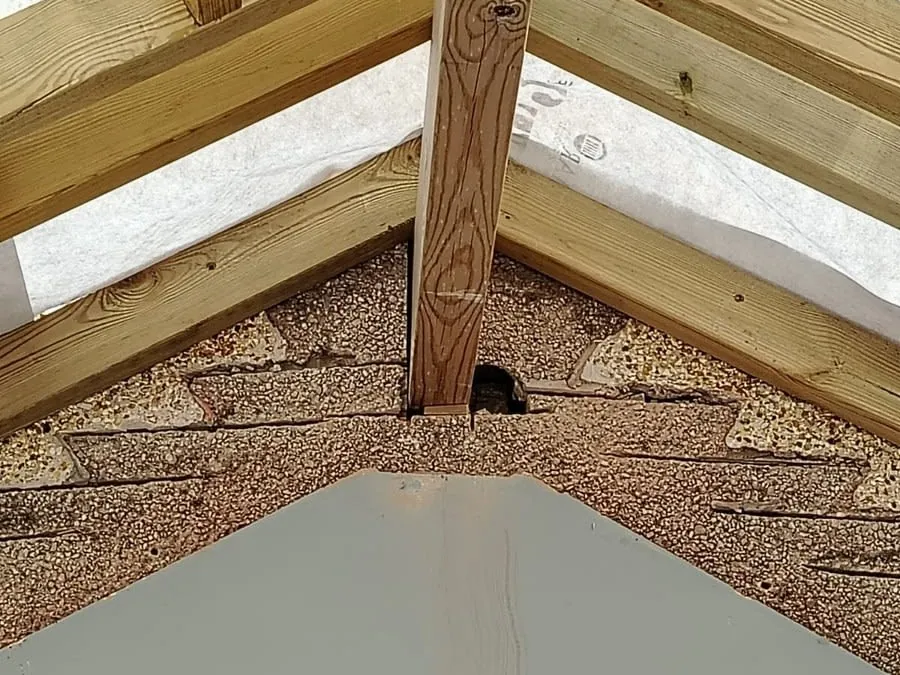
Everything below hangs off those four. Voluntary schemes can help you shortlist - TrustMark is the government-endorsed one and worth knowing about - but membership of a scheme is a starting point, not a verdict. Some of the best small firms in Cumbria have never joined anything, and some poor ones have paid for every badge going. The checks are what matter, and our own storm damage repairs work regularly involves putting right jobs that would have failed every one of them.
Start with the trail they leave behind
A firm that has traded in Carlisle for years leaves evidence everywhere. Reviews spread across Google and Facebook going back several years, not clustered into one suspiciously busy month. Jobs you can see photographed on real local streets - if a gallery shows sun-baked American shingle roofs, the photos are borrowed. A landline or a consistent mobile number that appears in old posts and directories. A named person, not just a brand.

Twenty minutes of this filters out most of the risk before you have spoken to anyone. What you are looking for is not perfection - a decade of trading will always include one unhappy customer - but consistency. The pattern that should stop you is a company name registered months ago, a review profile that appeared all at once, and no address more specific than “Carlisle and surrounding areas”.
Word of mouth still beats all of it. Ask on your street before you ask a search engine. In neighbourhoods like Denton Holme and Currock, where whole terraces share the same roof design and the same faults, the chances are a neighbour has already had your exact job done and can tell you who did it and whether it stayed fixed.
Read the quote like a contract, because it is one
The quote is where good and bad firms separate most visibly. A proper one names the materials, down to the type of slate or tile and how it will be fixed. It states the scope - which slope, which flashing, how many courses. It covers access, scaffolding if needed, and who takes the old material away. It gives a fixed price including VAT, and it says what happens if the roofer opens the roof up and finds something worse underneath.

A bad quote is a number on a text message. The gap between the two is not paperwork for its own sake - it decides what you can do later. When the vague quote turns out not to include the scaffold, or the “matching” tiles are the wrong profile, you have nothing in writing to point at. When a detailed quote goes wrong, you do. It is also the only honest way to compare prices: a £700 quote and a £1,100 quote for the same leak are often quoting different jobs, and only the itemised versions reveal it.
One more Carlisle-specific point. If your roof is on an older property, ask the quote to state what happens to the existing slates. Reclaimed Cumbrian and Welsh slate has real value, and on some jobs the slates coming off your roof are worth more than a dishonest quote admits. They are yours - the quote should say whether they are being reused, credited or removed.
The approach that comes to you is the one to refuse
There is a version of this trade that arrives uninvited. A knock at the door from someone “working in the area” who noticed a problem with your ridge. A cold call after a windy week. A leaflet offering a free roof inspection today only. After a named storm has been through Cumbria these approaches multiply within days, targeting exactly the streets where people are anxious and insurers are slow.

The rule is short: legitimate roofing work in this city does not need to find you this way. A good firm’s diary fills from recommendations and repeat customers, never from canvassing. The law does give you some cover - contracts agreed on your doorstep carry cancellation rights under the UK doorstep selling regulations - but rights you have to enforce afterwards are worth far less than a job you never agreed to.
The same caution applies to urgency from any direction. A roofer who tells you the job must happen this week, before you can get another opinion, is describing his cash flow rather than your roof. Genuinely urgent situations do exist - we cover what to do about them in our post on handling storm damage and insurance claims - but even then, a tarpaulin and a make-safe visit buy you time to choose properly.
Two documents, five minutes, no excuses
Before any work is agreed, ask for two things. Public liability insurance - the certificate, not a verbal assurance - at a sensible level, £2 million being the usual floor for domestic work. And the written terms of whatever guarantee is being offered: how long, what it covers, and who stands behind it if the firm stops trading.
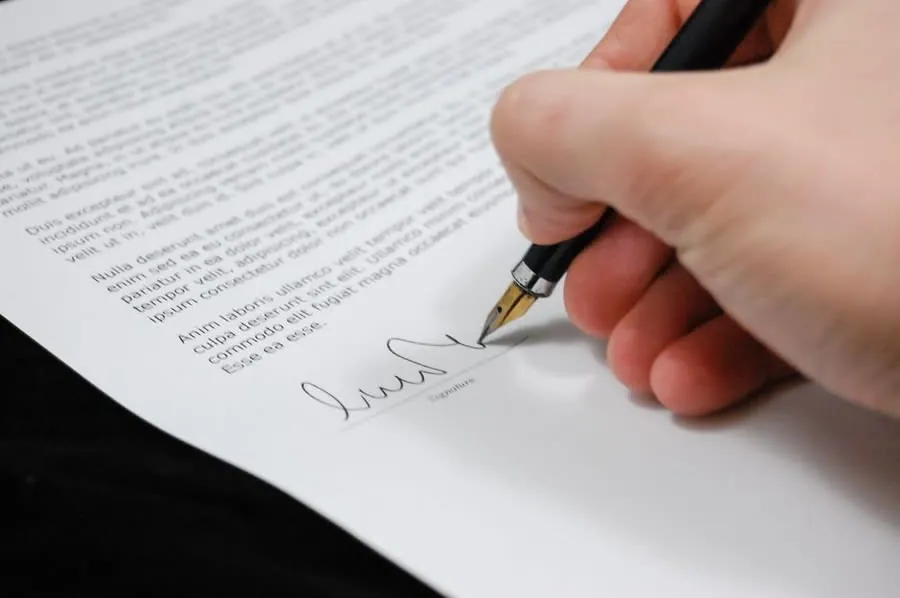
Both requests take a real firm minutes to satisfy, and the reaction to being asked tells you as much as the documents do. A professional expects the question. Defensiveness, delay, or a story about the paperwork being in the office are answers in themselves.
On guarantees, read past the headline number. A twenty-year guarantee from a company that dissolves next spring is worth nothing, which is why the trading-history check earlier matters more than the length of the promise. Ours is ten years on workmanship, in writing, from a firm you can find at the same number year after year - that combination is the point, not the biggest number on the leaflet. If a dispute does arise with any trader, Citizens Advice’s consumer service is the right first call, but the honest aim of this whole checklist is never to need it.
What good looks like once the ladder goes up
Some of the strongest signals only appear after you have chosen, which is worth knowing for next time even if it is too late for this job. A good roofer turns up when they said, or calls when they cannot - weather moves every roofing diary in Cumbria, and the difference between a professional and a chancer is whether anyone tells you.
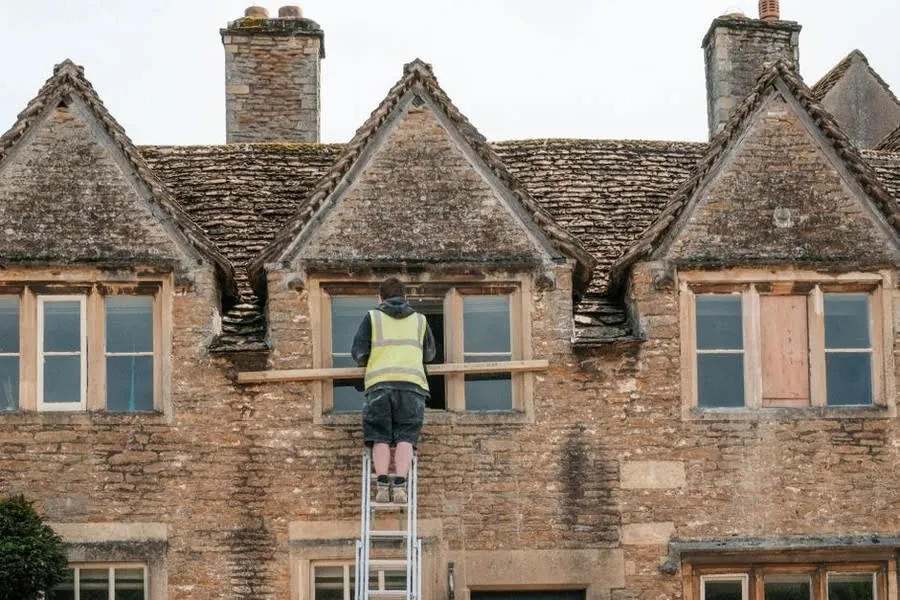
Watch the access. Proper ladder work, tower or scaffold where the job needs it, nobody standing on your gutter. Watch the tidiness - old slates stacked, not scattered, felt offcuts bagged rather than blowing into next door’s garden. And listen to how they describe problems they find. A roofer who photographs a fault from the roof and shows you, rather than describing invisible horrors from the ground, is letting evidence do the selling.
The best signal of all costs nothing to spot: a roofer who talks you out of work. Roofs generate genuine judgement calls, and a firm that says the rest of the slope has years left in it - when they could have sold you the lot - has just told you everything about how they will handle the next call too.
Keep the money until the work has earned it
Payment terms are the last filter and the simplest. For repairs, the standard arrangement with any established Carlisle firm is payment on completion, once you have seen the work or the photos of it. No stage payments on a two-day job, and never cash in advance for materials on a small repair - a real firm has trade accounts for that.

Larger jobs are different in scale but not in principle. A full re-roof reasonably involves a deposit when bespoke materials are ordered, but it should be a fraction of the total, with the balance following completion. Any structure that puts most of the money in the roofer’s hands before most of the work is on the roof has the risk pointing the wrong way.
Pay in a way that leaves a record. Bank transfer against a written invoice protects both sides; a discount for untraceable cash protects one. None of this is about distrust. It is the same principle as every other step in this guide: the risk stays on their side until the work on your roof says it should not.
If you are weighing up firms in Carlisle now, we are happy to be measured against every test on this page - certificates, itemised quote, references from your side of the city included.
Frequently Asked Questions
How many quotes should I get for roof work in Carlisle?
Three is the sensible number for anything beyond a minor repair. Fewer than that and you have no way of knowing whether a price is fair, more than that and you are collecting paperwork rather than making a decision. For a small job like a couple of slipped slates, two is usually enough.
Should a roofer ask for a deposit?
For most repair work, no - an established local firm buys materials on account and invoices when the job is done. A deposit becomes reasonable on larger jobs where materials are ordered specifically for you, such as a full re-roof, and even then it should be a modest percentage with the balance due on completion, not cash up front before anyone has been on the roof.
How do I check a roofer is actually insured?
Ask to see the public liability certificate rather than taking a yes over the phone. It is a single sheet showing the insurer, the cover level and the expiry date, and any genuine firm can email it to you in minutes. If the certificate has expired or the excuse involves it being with the accountant, keep looking.
Is the cheapest roofing quote always a mistake?
Not always, but a quote well below the others usually means something has been left out - access equipment, disposal, matching materials, or the follow-up visit if something goes wrong. Compare what each quote includes line by line rather than the figure at the bottom. The expensive lesson is paying twice for the same repair.
Are roofers who knock on doors after storms ever legitimate?
Almost never, and the pattern is well known in Cumbria. Genuine local firms have full diaries after a storm and no need to canvass. Under UK doorstep selling rules you have cancellation rights on contracts agreed at home, but the better protection is simpler - never agree to roof work you did not go looking for.
Free Roof Survey & Quote
Free roof survey and a fixed written quote, anywhere across Carlisle and Cumbria.